
Most people assume Dublin is a summer city. The longer days, outdoor events, and postcard views make an easy case for it. But if you are looking for the best things to do in Dublin this winter, the colder months reveal a different side of the city. Winter is when Dublin starts feeling less like a destination and more like a place you get to know.
The crowds thin out, the queues shrink, and everyday Dublin comes into focus. You can linger longer in the best Dublin museums, settle into a temple bar pub without fighting for a seat, and spend a morning in Glendalough with little more than mist, lakes, and silence for company.
Then there is the winter calendar itself. Wild Lights brightens the darkest evenings, TradFest fills the city with music, and Six Nations weekends give Dublin an energy that is impossible to fake.
The weather may be colder, but the city feels warmer. That is the part most visitors never expect.
Quick Picks: Best Things to Do in Dublin in Winter
| Category | Best Pick |
| Best Free Activity | National Museum of Ireland, Archaeology |
| Best for Families | Wild Lights at Dublin Zoo |
| Best for Solo Travellers | Trad session at The Cobblestone |
| Best for Music Lovers | TradFest, late January |
| Best for Sports Fans | Leopardstown Christmas Racing |
| Best Day Trip | Glendalough and the Wicklow Mountains |
| Best Winter Night Out | New Year’s Festival at Dublin Castle |
| Most Authentic Local Experience | Dublin Coddle by a pub fire |
Events and Festivals Worth Planning Your Trip Around
Dublin’s winter calendar runs harder than most cities manage in peak season. The events below are not background noise. Several of them are the actual reason to come in December or January rather than July.
1. Wild Lights at Dublin Zoo
Wild Lights is one of those Dublin winter experiences that surprises people who were not sure what to expect. After dark, Dublin Zoo transforms into an illuminated walk-through event with hundreds of sculpted lanterns across 13 themed zones.
Giant glowing animals, light tunnels, and large-scale installations fill the paths from early November through to the end of January. The 2025/26 theme was The Wild Kaleidoscope. Each year’s theme is announced in September, so check the zoo’s website for whatever is coming next.
If you are visiting with kids, what I would recommend is booking a midweek evening slot. The difference in entrance queue length compared to a Saturday night is significant, and the whole experience feels less rushed.
My sister took her two children on a Tuesday in December and said the gorilla zone with almost no crowd around them felt like a completely different event from the weekend version she had seen advertised.
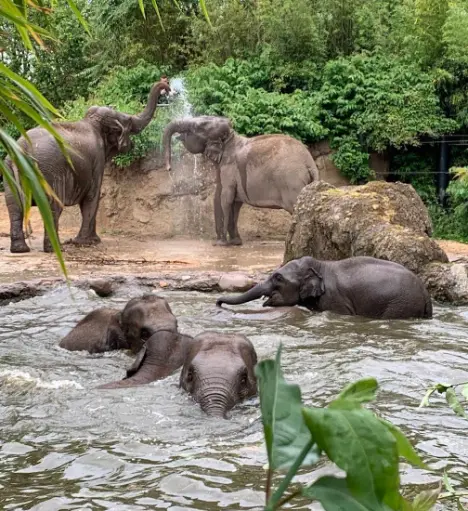
- Runs: Early November to end of January annually, 5pm to 9pm (last entry 8pm). Closed Christmas Eve, Christmas Day, St Stephen’s Day.
- Address: Dublin Zoo, Phoenix Park, Dublin 8
- Tickets: Adults approximately €26 to €40, children approximately €21 to €27.
2. Wonderlights at Malahide Castle and Marlay Park
Wonderlights winds through the historic woodland of Malahide Castle in north Dublin and Marlay Park in south Dublin. Sound, projection mapping onto the castle walls, and the natural surroundings combine into a trail that genuinely earns the word immersive. The 2025 theme was Once Upon a Glow. Both locations are fully accessible and work well for couples and families alike.
Pick whichever site is closer to where you are based. One thing I noticed from previous visits is that the food and drinks village at the end of the trail is a proper part of the night, not an afterthought. Budget 30 extra minutes for it.
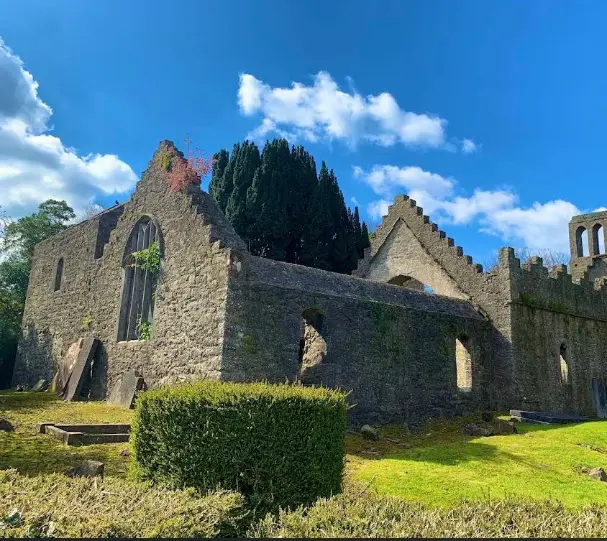
- Runs: Mid-November to late December annually
- Malahide Castle address: Malahide, Co Dublin
- Marlay Park address: Grange Road, Rathfarnham, Dublin 16
- Tickets: From €15 to €25 per person. Book in advance at wonderlights.ie
3. Dublin Castle Christmas Market
The Dublin Castle Christmas Market runs through December in the castle’s main courtyard. Around 15 to 20 stalls sell local food, crafts, and gifts. A festive carousel operates at one end. Carolers move through at weekends. The setting does a lot of the work. Selling in a medieval castle courtyard is a fundamentally different proposition from a marquee on a town square, and the market reflects that.
Entry is free. Individual stalls are paid. It pairs well with a walk down Grafton Street for the Christmas lights afterward.
One critical note for anyone visiting in 2026. The Chester Beatty Library, which sits directly adjacent to Dublin Castle, is closed to the public until the end of December 2026. The Irish Government closed it to facilitate the EU Presidency. It reopens in 2027. Do not make the journey to Dublin Castle this winter expecting to visit it.
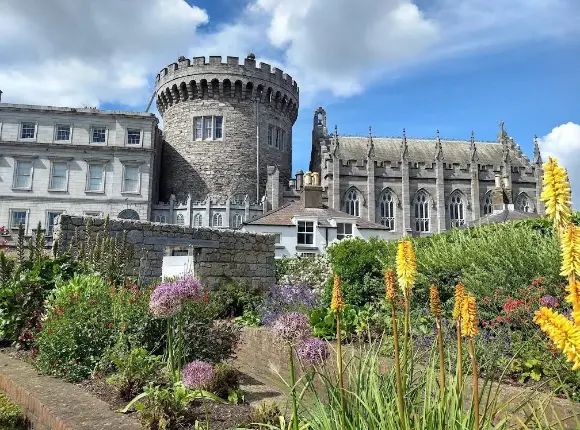
- Address: Dublin Castle Courtyard, Dame Street, Dublin 2
- When: December annually. Exact dates at dublincity.ie each year.
- Entry: Free to enter the market
4. New Year’s Festival at Dublin Castle
The New Year’s Festival takes over Dublin Castle and Meeting House Square from December 30 through January 1, with live music, food markets, and street performances across all three days. On New Year’s Eve, fireworks go up simultaneously over Dún Laoghaire Harbour and Howth Harbour.
What I would suggest if you want the fireworks without the densest crowd is Dún Laoghaire pier. It is the best free vantage point in Dublin for the display. Get there well before midnight. The DART runs extended services on New Year’s Eve, which makes getting out and home straightforward.
- Dates: December 30 to January 1 annually
- Locations: Dublin Castle, Meeting House Square, Dún Laoghaire Harbour, Howth Harbour
- Mix of free and ticketed events. Full programme at dublincitynye.ie each year.
5. Leopardstown Christmas Racing Festival
Four days of National Hunt racing from St Stephen’s Day through December 29. The prize fund runs above €1.4 million across seven Grade 1 races. Live music plays in the Festival Marquee every afternoon. The Savills Style Awards take place on the final day.
Something I noticed the first time I went is, you do not need to know anything about racing to have a brilliant day here. Post-Christmas, Dublin gets dressed up and comes out to Leopardstown.
It is a social event as much as a sporting one, and the energy of a cold December afternoon in the grandstand is something the city does particularly well. My fiancé came purely for the occasion and ended up genuinely invested in the final race.
Getting there is easy. Take the Luas Green Line to Sandyford, then the free shuttle bus from the station to the racecourse on race days.
- Dates: December 26 to December 29 annually
- Address: Leopardstown Racecourse, Foxrock, Dublin 18
- Tickets: General admission and grandstand options. Book at leopardstown.com
- Transport: Luas Green Line to Sandyford, free shuttle to the racecourse
6. TradFest Dublin
TradFest is Ireland’s largest traditional music festival, running five days every January across Dublin Castle, St Patrick’s Cathedral, City Hall, and Temple Bar pubs. The 2026 edition ran January 21 to 25. The 2027 dates will be announced in autumn at tradfest.com.
The festival splits into two experiences. Ticketed concerts take place at the main venues. The Smithwick’s Sessions run free in Temple Bar pubs and Smithfield throughout the festival days. You walk into a pub at 2pm and the music is already happening. No stage, no introduction, no performance face. Just musicians in the corner and a room paying full attention.
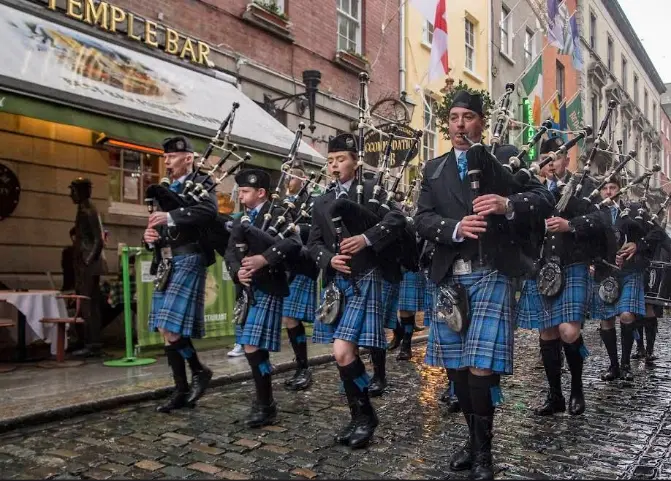
My fiancé came to TradFest last January having never been to a trad session. She described standing in a Smithfield pub as one of the most unexpectedly moving things she had done in Dublin. She had expected a performance. What she found was something that had simply gathered around the music.
If you are a first-time visitor to Dublin in January, what I would do is skip the ticketed concerts on your first night and go straight to a Smithwick’s Session. Get a sense of what the free sessions feel like before deciding which ticketed events are worth your budget.
Check tradfest.com for free lunchtime concerts and pop-up City Sessions. The quality matches the ticketed events. The price is zero.
- Dates: Five days in late January annually. 2026 ran January 21 to 25.
- Venues: Dublin Castle, St Patrick’s Cathedral, City Hall, Temple Bar pubs, Smithfield
- Ticketed concerts: Book early at tradfest.com. They sell out.
- Free sessions: Smithwick’s Sessions run daily across Temple Bar and Smithfield throughout the festival
7. Six Nations Rugby
Ireland’s home Six Nations fixtures at the Aviva Stadium run February through March, and they pull the entire city into a shared energy that is genuinely difficult to describe until you are inside it. You do not need to follow rugby. You do not even need to understand the rules.
Match tickets are very hard to get. The rugby pub experience in Dublin is arguably better anyway. Baggot Street, the streets around the Aviva, and Rathmines fill up hours before kickoff. Get there early, order quickly, and let the afternoon unfold. Ireland’s 2026 home fixtures were against Italy on February 14, Wales on March 6, and Scotland on March 14. Similar scheduling applies annually.
- When: February and March annually
- Venue: Aviva Stadium, Lansdowne Road, Dublin 4
- Match tickets: irfu.ie. Very limited for popular fixtures.
- Best pub areas on game day: Baggot Street, Rathmines, Lansdowne Road
Indoor Culture and History
The best indoor activities in Dublin this winter are the ones that improve with quiet. Smaller crowds, slower pace, and enough space to actually engage with what is in front of you. These are not wet-weather backup options. Several of them are genuinely better in January than in July.
8. Kilmainham Gaol
Kilmainham holds the history of Ireland’s rebellions from 1798 through to 1916 within its original walls. Robert Emmet was imprisoned here. Anne Devlin spent three years in these cells. The 14 leaders of the Easter Rising were executed in the stone-breakers’ yard. A guided tour takes about 70 minutes and moves at a pace that actually suits the weight of the material.
Winter light suits Kilmainham in a way that is hard to explain before you experience it. The grey corridors, the small cold cells, the yard in January quiet. The building itself is very cold inside, so dress accordingly.
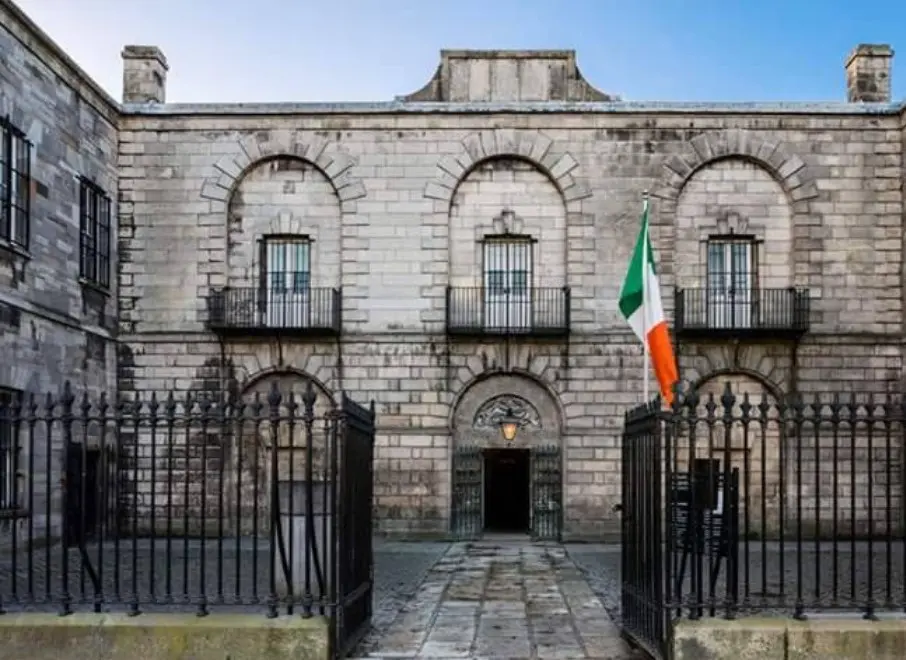
The current special exhibition, The Prisoners’ Lens, runs October 2025 through October 2026. It shows secret photographs taken inside the gaol in 1921 during the War of Independence and is free to view alongside the tour.
What I would say to first-timers is to book the earliest available tour slot. You get the rooms to yourself for the first few stops before the later groups filter through, and the difference in how the space feels is noticeable.
- Address: Inchicore Road, Kilmainham, Dublin 8
- Hours (October to March): Museum 10:30am to 5:15pm daily. Closed December 24 to 27.
- Tickets: Adults €8, students €4, under-12 free. Guided tour only.
- Book: kilmainhamgaolmuseum.ie
9. National Museum of Ireland, Archaeology
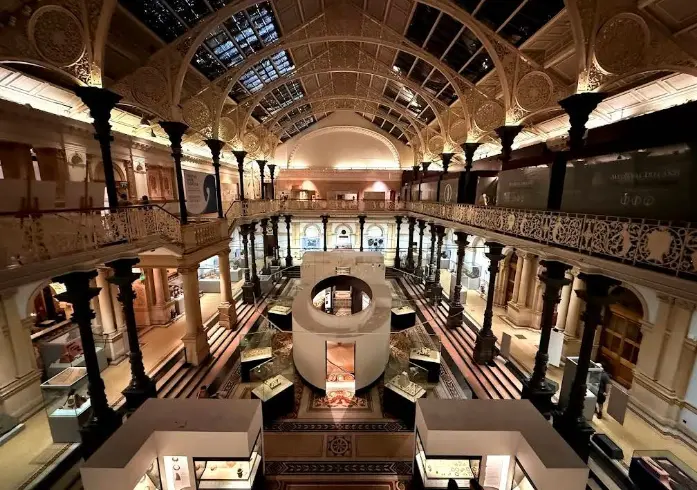
Free entry. No booking needed. The National Museum on Kildare Street holds the Ardagh Chalice, the Tara Brooch, Iron Age bog bodies, and Viking Dublin artefacts under one roof. It covers Irish history from prehistoric times through the medieval period in a building that is warm, well lit, and worth two hours of genuine attention.
This is not a secondary option for a rainy afternoon. It is one of the best free museums in Dublin. Most visitors to Dublin have never walked through the door, which means on a winter weekday morning, the place is practically yours.
- Address: Kildare Street, Dublin 2
- Hours: Tuesday to Saturday 10am to 5pm, Sunday and Monday 1pm to 5pm
- Entry: Free always
10. The Natural History Museum, The Dead Zoo
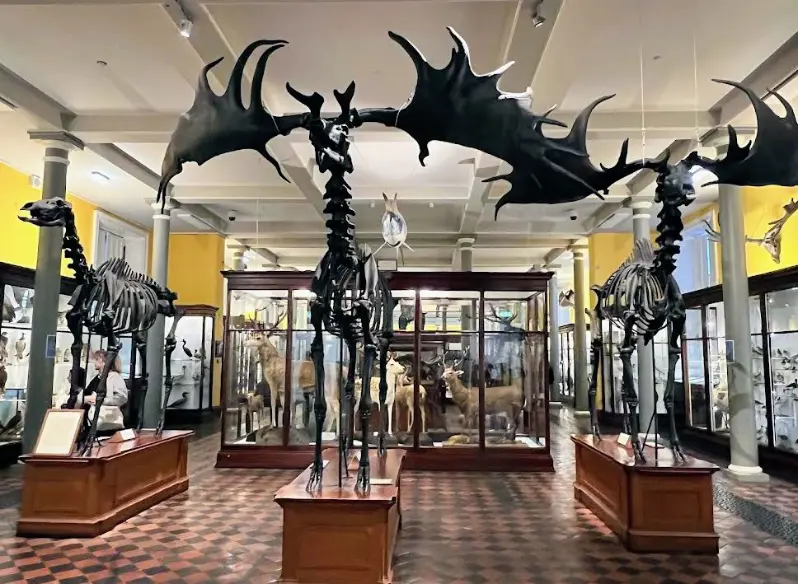
Dubliners call it the Dead Zoo, and the name is exactly right. Thousands of specimens, Victorian display cases running two storeys high, whale skeletons hanging overhead, and a collection that looks completely unchanged since the day it opened. It is strange and wonderful in equal measure.
Note that the museum relocated from Merrion Street to Collins Barracks in August 2025, following the closure of the original building for structural works. Collins Barracks is across the city from the Kildare Street archaeology museum, so plan your afternoon accordingly if you want to visit both.
- Address: Collins Barracks, Benburb Street, Dublin 7
- Hours: Tuesday to Saturday 10am to 5pm, Sunday and Monday 1pm to 5pm
- Entry: Free always
11. Guinness Storehouse
Seven floors of brewing history, a self-guided route that takes about 90 minutes, and a complimentary pint in the Gravity Bar with panoramic views over Dublin at the top. In summer the entrance queue runs to 45 minutes before you are even inside.
In winter you walk in, take your time on every floor, and reach the Gravity Bar on a clear January morning with the city spread out in every direction and almost nobody else up there.
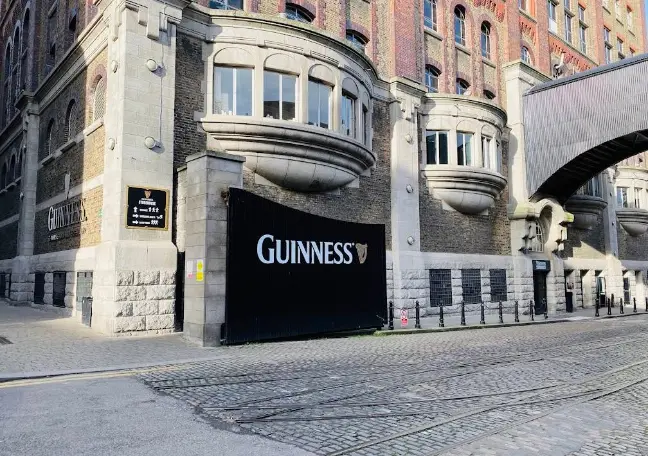
I personally think the morning slot is underrated here. The light through the Gravity Bar glass at 10am is better than anything you get at midday, and the whole experience feels less like a visitor attraction and more like something you actually chose to do.
- Address: St James’s Gate, Dublin 8
- Tickets: From €26. Book at guinness-storehouse.com
- Contact: 01 408 4800
12. Trinity College and the Book of Kells
The Book of Kells is a 9th-century illuminated manuscript and one of the most extraordinary pieces of medieval European art anywhere in the world. The Long Room above it, 65 metres of barrel-vaulted ceiling and 200,000 ancient books, is the kind of space that makes you walk slower without deciding to.
Winter means shorter queues and enough quiet to actually read the panels at your own pace rather than shuffling past them. Weekday mornings are consistently the best slot. The Old Library courtyard with frost on the cobblestones in January is worth a few minutes before you go inside.

- Address: Trinity College, College Green, Dublin 2
- Tickets: From €16. Book at tcd.ie
- Contact: 01 896 1000
13. Glasnevin Cemetery and the Gravediggers
Glasnevin gets written off as morbid by people who have never been. It is one of the most genuinely absorbing places in Dublin. A quiet, beautifully maintained historic space where Daniel O’Connell, Michael Collins, and Éamon de Valera are all buried within easy walking distance of each other. You can wander the grounds freely. Guided tours with advance booking give a more structured visit.
My personal recommendation is to combine the cemetery with a pint at The Gravediggers immediately after. John Kavanagh’s, which sits directly next to the entrance, has been run by the same family since 1833. Gas-lit interior, low ceilings, and a Guinness that locals argue is among the best in the city.
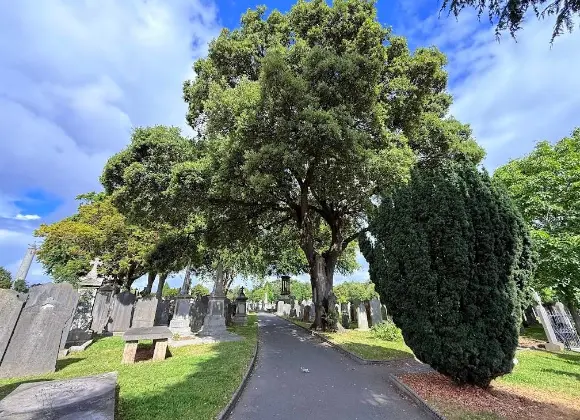
I went on a grey November afternoon expecting one pint and left two hours later having had a conversation with a retired Dublin bus driver who had the most specific and useful opinions about where to eat in Glasnevin I have ever been given.
- Cemetery address: Finglas Road, Glasnevin, Dublin 11
- Cemetery grounds: Free. Open daily from 9am.
- Guided tours and museum: glasnevinmuseum.ie. Museum entry is paid.
- The Gravediggers (John Kavanagh’s): 1 Prospect Square, Glasnevin, Dublin 9
Outdoor Activities and Day Trips
The best outdoor options for a Dublin winter day trip work precisely because fewer people are doing them. The cliff walks are clear. The monastic valleys are quiet. The coastal villages feel like they belong to the people who actually live there rather than whoever Googled them last July.
14. Howth Cliff Walk
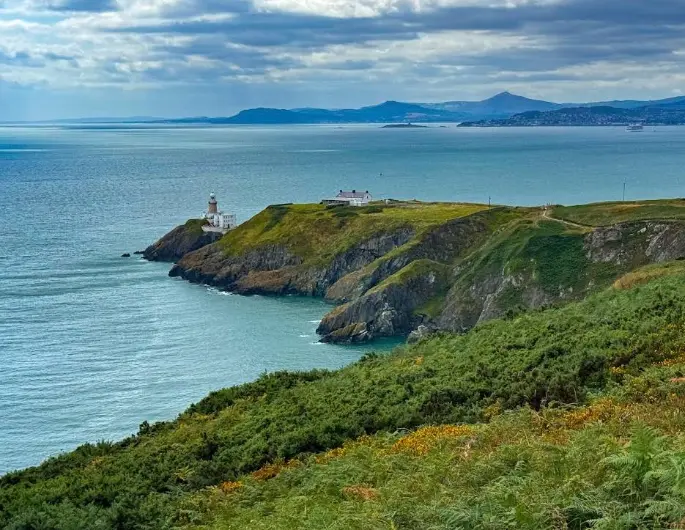
Howth is 30 minutes from Dublin by DART from Connolly or Tara Street stations. The cliff path loop runs 6 kilometres along the edge of the peninsula with consistent views of the Irish Sea and the Dublin coastline. It takes two to three hours at an easy pace and is well-maintained throughout.
What I noticed on my last January visit was how different the cliff path feels when it is just you and the sea. No groups ahead of you, no queue for viewpoints, no noise except wind and water.
The winter format that works best is a morning DART to Howth, the harbour market for coffee, the cliff path, then seafood lunch before the light fades. Aqua Restaurant and Beshoff Bros are both within steps of the water.
- Getting there: DART from Connolly or Tara Street, approximately 30 minutes
- DART return: Approximately €3.50 from city centre
- Cliff path: Free. Well-maintained and clearly signed.
- Food: Aqua Restaurant or Beshoff Bros, Howth Harbour
15. Glendalough and the Wicklow Mountains
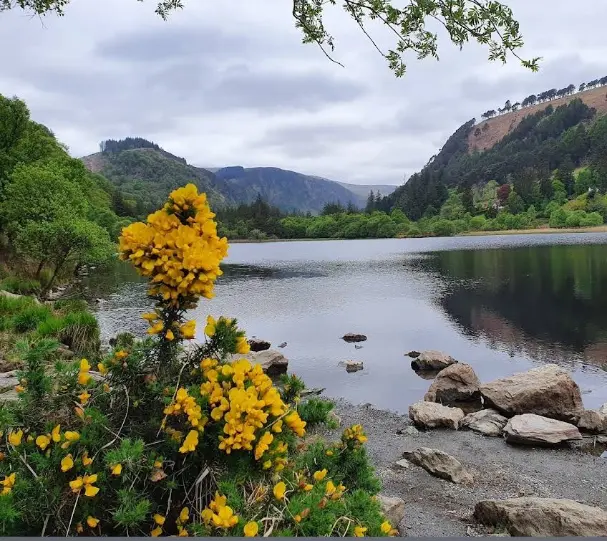
Glendalough is about an hour from Dublin by car. St Kevin’s Bus also runs from the city if you are not driving. The sixth-century monastic site sits in a wooded valley between two glacial lakes in the Wicklow Mountains, and in winter the whole place becomes something quieter and more extraordinary than the summer version offers.
Frost on the peaks, winter light across the water, the round tower and stone ruins in near-complete silence. Add Powerscourt Waterfall twenty minutes away, which runs at full winter force and is worth including for a full day.
If you can only do a one day trip from Dublin in winter, make it Glendalough. No other day out delivers that combination of history, landscape, and genuine quiet in the one place. Bring proper waterproof boots and dress in layers. Go on a weekday. The car park fills even in winter on weekends.
- Address: Glendalough, Co Wicklow
- Getting there: Approximately one hour by car. St Kevin’s Bus from Dublin is also available.
- Entry: Free to walk the grounds. The visitor centre has paid options.
16. Malahide Castle and Gardens
Malahide Castle sits on coastal parkland 14 kilometres north of the city, reachable by DART to Malahide station. The 12th-century castle runs guided tours through the period rooms. The grounds and coastal walking paths are free. In winter both are noticeably more relaxed than in summer.
Tours run smaller, the paths are quiet, and the whole place feels like a proper escape rather than a scheduled attraction. Wonderlights uses the castle grounds in November and December, which transforms the setting completely after dark.
- Address: Malahide Castle, Malahide, Co Dublin
- Castle tour: From €8. Current times at malahidecastleandgardens.ie
- Gardens: Free
- Getting there: DART to Malahide station
17. Sandymount Strand and the South Wall
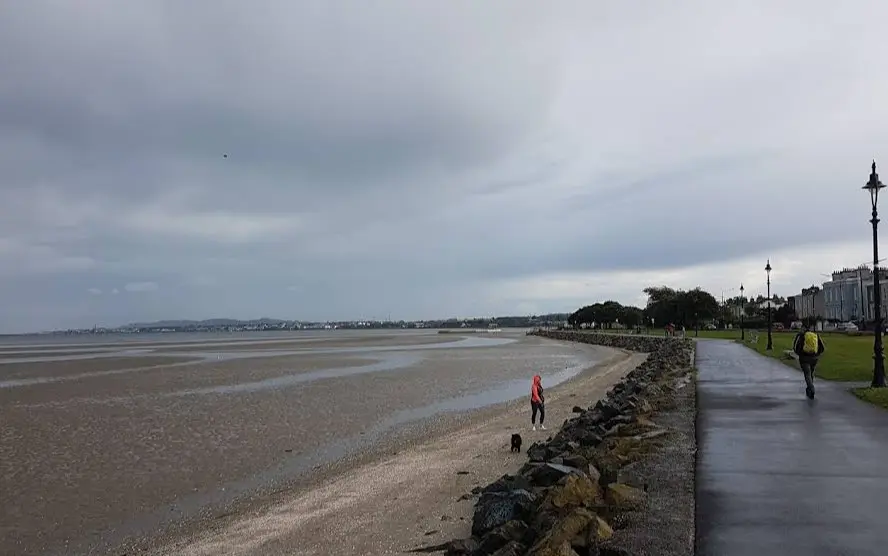
A flat coastal walk along Sandymount Strand at low tide, extending out along the South Wall pier to the red-and-white Poolbeg Lighthouse at the far end. The round trip takes about 90 minutes. It is free, requires no car, and in January it is windswept and almost completely deserted.
The South Wall on a cold winter morning is one of those Dublin experiences that costs nothing and stays with you longer than most things that do. Take the DART to Sandymount station or the bus from the city centre.
- Address: Sandymount Strand, Dublin 4
- Getting there: DART to Sandymount station or Dublin Bus from city centre
- Entry: Free
18. Killiney Hill and Dalkey Village
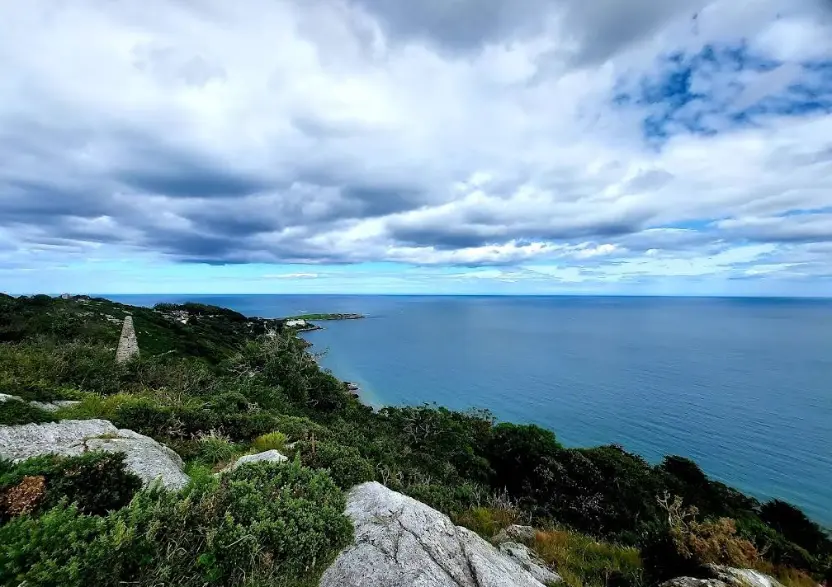
Take the DART south to Killiney station. The walk up the hill takes about 30 minutes. At the top you get panoramic views across Dublin Bay and the Wicklow Mountains in both directions. January sunsets fall around 4:15pm. Arriving at 3:45pm catches the full effect before the light goes. Walk back down to Dalkey village for dinner. Finnegans, The Bloody Stream, and Jaipur Dalkey are all within easy reach of each other, and all three earn the walk down from the hill.
- Getting there: DART to Killiney station from city centre
- DART return: Approximately €4
- Entry: Free
Warm Up in Dublin’s Pubs
Winter is when Dublin’s best pubs become the point of the evening rather than a stop along the way. Fires get lit. Sessions get longer. The crowd shifts local. The Cobblestone in Smithfield is the real trad heartland, with live music most evenings and the Smithwick’s Sessions running throughout TradFest. Kehoe’s on South Anne Street is the call for warm snugs and old Dublin character. McNeill’s on Capel Street runs live music six nights a week.
Wherever you end up, order a hot whiskey. Jameson, hot water, cloves, lemon, and honey. It is not a cocktail. It is a winter ritual, and Dublin does it correctly.
Eat Like a Dubliner This Winter
Winter Dublin food culture centres on one dish. Dublin Coddle is a slow-cooked layering of sausages, bacon rashers, potatoes, and onions in broth that has been a city staple for centuries. James Joyce wrote about it. Jonathan Swift ate it. The Hairy Lemon on Stephens Street and The Gravediggers in Glasnevin do the best versions currently in the city.
Practical Tips for Visiting Dublin in Winter
- Plan outdoor activities before 3pm. Sunset falls around 4pm in December and 4:30pm by late January.
- Book Kilmainham Gaol before you arrive. Same-day availability is rare even off-peak.
- Chester Beatty Library is closed until the end of December 2026 due to the EU Presidency. It reopens in 2027.
- Wild Lights, Wonderlights, and TradFest ticketed concerts all require advance booking, especially for weekend dates.
- Hotel prices in January drop to their lowest point of the year. Post-Christmas is the best value window to visit Dublin.
- The DART connects Howth, Dún Laoghaire, Sandymount, Malahide, and Killiney on one line with no changes.
- Weeknights beat weekends for pub sessions. Fewer tourists, more locals, and the music runs longer.
If you want more local finds, you can also follow Dublinz Facebook and Dublinz Instagram for updates on shops, style spots, and hidden gems around the city.
FAQs on Unmissable Things to Do in Dublin
Is Dublin worth visiting in winter?
Yes. Winter in Dublin means lower hotel prices, smaller crowds, and easy access to major attractions. TradFest, Wild Lights, Leopardstown Racing, and the Six Nations pub energy make November through March one of the strongest windows to visit the city.
What is the weather like in Dublin in winter?
December averages around 5 to 9°C with frequent rain. Daylight runs from roughly 8:17am to 4:10pm at its shortest. Snow in the city is rare. Waterproof layers and warm clothing cover everything you need.
What are the best free things to do in Dublin in winter?
The National Museum of Ireland on Kildare Street, the Natural History Museum at Collins Barracks, the free Smithwick’s Sessions at TradFest, Glasnevin Cemetery, and the coastal walks at Howth and Sandymount are all free and genuinely worth your time.
What is TradFest Dublin?
TradFest is Ireland’s largest traditional music festival, running five days every January across Dublin Castle, St Patrick’s Cathedral, City Hall, and Temple Bar pubs. Both free and ticketed events run throughout the festival. The 2026 edition ran January 21 to 25.
What should I eat in Dublin in winter?
Start with Dublin Coddle, a slow-cooked stew of sausages, bacon, potatoes, and onions that has been a city staple for centuries. Finish with a hot whiskey. Jameson, hot water, cloves, and lemon. That is the correct Dublin winter order.