
Dublin tourists spend an average €146 daily on attractions according to Fáilte Ireland data. Most of that money goes toward experiences you can get for free if you know where to look. That is why discovering free things to do in Dublin can completely change how you experience the city without cutting back on memorable moments.
The National Museum of Ireland holds the 8th century Tara Brooch valued in the millions. Entry costs €0. The Guinness Storehouse shows you marketing displays about beer. Entry costs €26. So, you can tell Dublin rewards curiosity more than it rewards spending.
My friend visited Dublin for three days with a €500 budget. She spent €180 on paid attractions the first two days and felt rushed. Day three, she followed free things to do in Dublin that locals actually use and literally called it the best day of her trip!
This guide covers 15 genuinely free things to do in Dublin that most tourists miss. It blends well known landmarks with lowkey experiences that reveal how the city really feels. No hidden costs. No tourist traps. Just smart ways to explore Dublin without spending a cent and still come away with a trip worth remembering!
Free Museums That Hold Priceless Irish History
The museums in Dublin have artifacts worth billions. The same tourists who skip them will pay €26 at Guinness Storehouse or €21 at Trinity Library to see significantly less history. That’s the disconnect worth understanding before you start spending.
National Museum of Ireland – Archaeology
Most people walk right past this on Kildare Street heading toward paid attractions. Inside sits the Ardagh Chalice from 800 AD, Celtic gold hoards from 2000 BC, and Viking artifacts pulled from Dublin streets. Collections valued at €50+ million. Entry costs €0.
I almost skipped it myself during my first Dublin visit because it looked too formal from outside. I walked in curiosity. Spent two hours completely absorbed in the Treasury room where Ireland’s most valuable artifacts sit behind glass you can study up close.
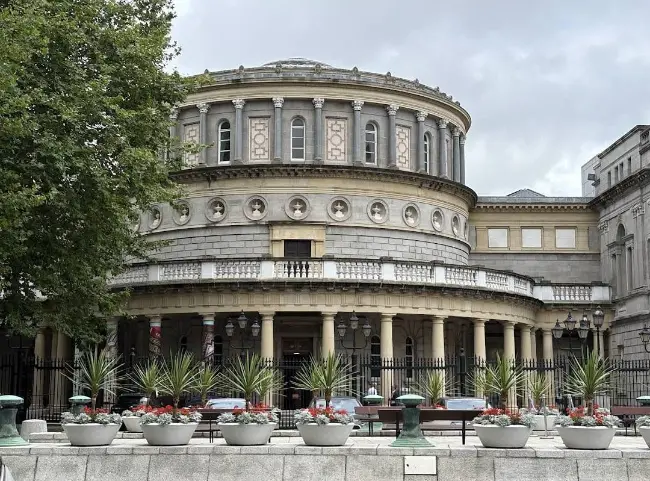
The museum opens Tuesday through Saturday 10am-5pm and Sunday-Monday 1-5pm. It can feel academic if you skip the highlights and just wander randomly. Spent 45 minutes focused on just the Treasury room and Viking exhibition. That’s where the stories come alive rather than feeling like walking through a textbook.
National Gallery of Ireland
Over 14,000 artworks including Caravaggio’s The Taking of Christ worth €20+ million hang here for free. The painting disappeared for 200 years before being discovered in a Dublin Jesuit house in 1990. Now anyone can see it without paying anything.
The gallery sits on Merrion Square with free entry and free guided tours on Sundays. My partner wandered in during a rainy afternoon expecting to kill 30 minutes. Stayed for three hours moving between Caravaggio, Jack B. Yeats, and the Irish portrait collection. Zero euros spent for an experience that would cost €15-20 at most European art museums.
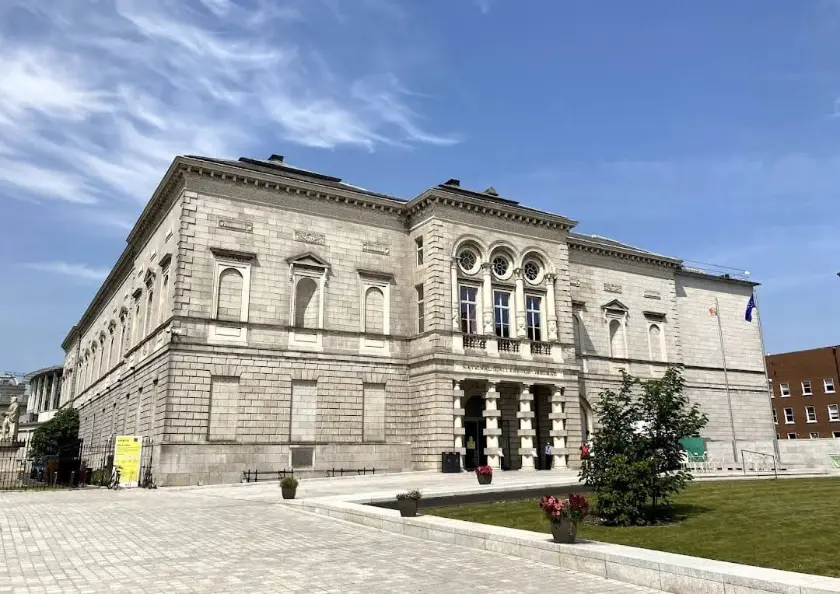
Sunday afternoons get crowded between 2-4pm when families visit. Weekday mornings stay quiet if you prefer viewing art without dodging tour groups.
Irish Museum of Modern Art
Most tourists never leave Temple Bar radius. IMMA sits 25 minutes west in a former Royal Hospital building from the 1680s. Zero crowds, rotating contemporary exhibitions and 48 acres of formal gardens you can walk through completely free.
The building itself tells Irish history through architecture that survived wars and rebellions. The art inside shows Ireland’s contemporary creative side that Temple Bar selfie spots completely miss. Free guided tours run Wednesday, Friday and Sunday at 2:30pm taking you through current exhibitions with context that deepens what you’re seeing.
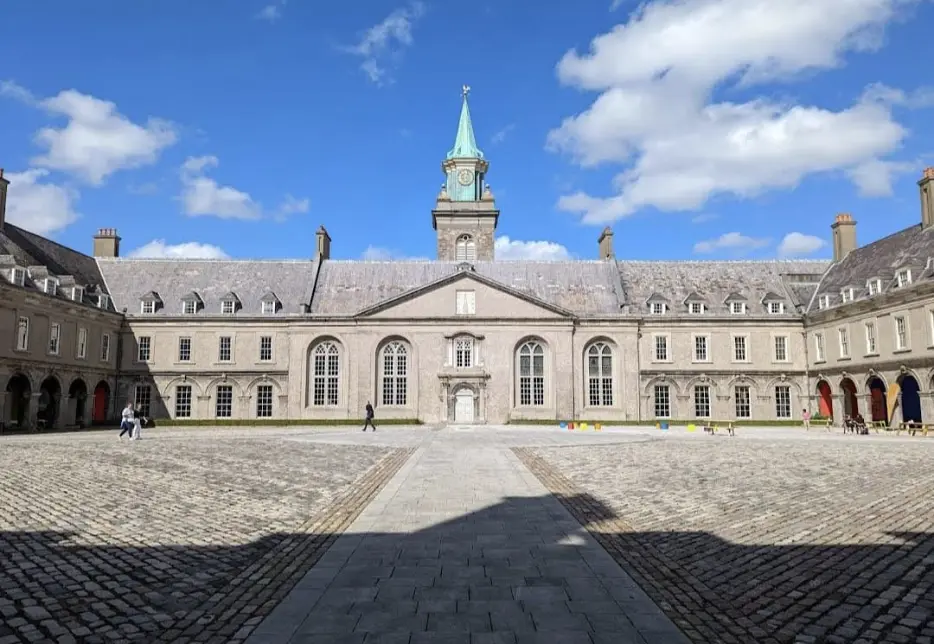
This represents the lowkey Dublin that residents value more than Temple Bar’s tourist energy. The kind of place where you sit on garden benches watching art students sketch and office workers eating lunch in actual peace.
Chester Beatty Library
The collection worth €100+ million sits hidden above Dublin Castle grounds. Asian and Middle Eastern art, illuminated manuscripts from the 1100s, Egyptian papyrus from 1200 BC. All viewable for free.
Tourists walk past the entrance heading to see Dublin Castle’s exterior courtyard which honestly looks like any European castle courtyard. Meanwhile upstairs holds some of the world’s finest Islamic and East Asian manuscript collections that most people never knew existed in Dublin.
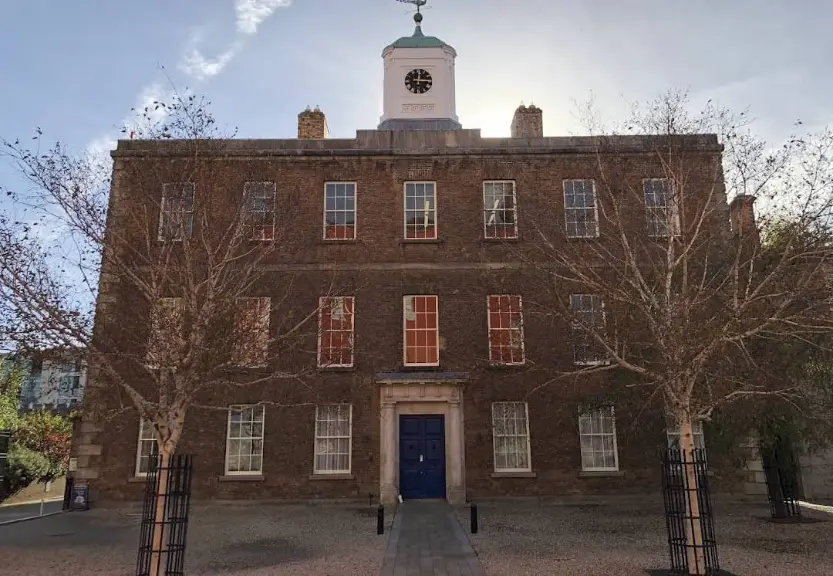
The library also operates a rooftop garden cafe with free seating where you can rest between viewing galleries. No pressure to buy anything though coffee costs €3 if you want it.
Free Dublin Parks That Beat Paid Tours
Phoenix Park covers 1,752 acres making it about twice as large as New York’s Central Park.It is one of the Best Places to Go in Dublin Recommended by Locals. Yet tourists pay €25 for hop-on-hop-off buses that drive through it while you could walk, bike or sit there completely free. The park holds wild deer, 18th century monuments and the President’s residence. Cost to enter equals €0.
Phoenix Park
I watched a tourist take a paid bus tour through Phoenix Park while my friend walked the same route over two hours. My friend found a bench near the pond, watched deer graze 20 meters away, and spent time actually being in the park rather than passing through it.
The Wellington Monument stands 62 meters tall marking the Duke of Wellington’s military victories. People’s Garden shows Victorian landscaping design from 1864. About 400 wild deer roam freely throughout the park descended from a herd introduced in the 1660s.
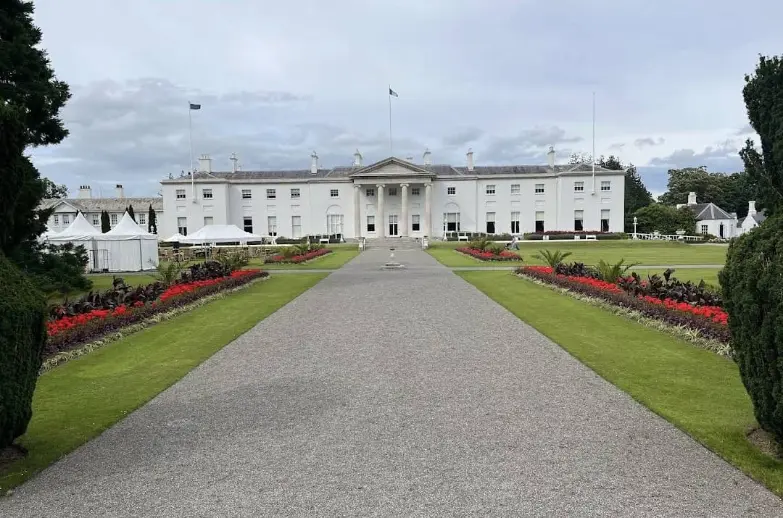
Enter at Parkgate Street and walk toward the Papal Cross marking where Pope John Paul II celebrated Mass for 1.25 million people in 1979. Deer congregate near Ashtown Castle around 4-5pm daily. Bring a sandwich, find a bench near the pond, and spend 90 minutes just existing in green space that costs nothing.
The park stays large enough to get lost if you wander off main paths. Stick to signposted routes on your first visit unless you enjoy unplanned exploration.
St Stephen’s Green
Twenty-two acres of landscaped gardens sit in Dublin city centre maintained at €1.2 million annually. Free to enter through four different gates. Victorian garden design from 1880 includes duck pond, fountains, ornamental flower beds and tree-lined paths.
Office workers use this daily during lunch breaks while tourists rush past heading toward Grafton Street shopping. The contrast shows Dublin’s rhythm versus tourist schedules that miss how the city actually functions.
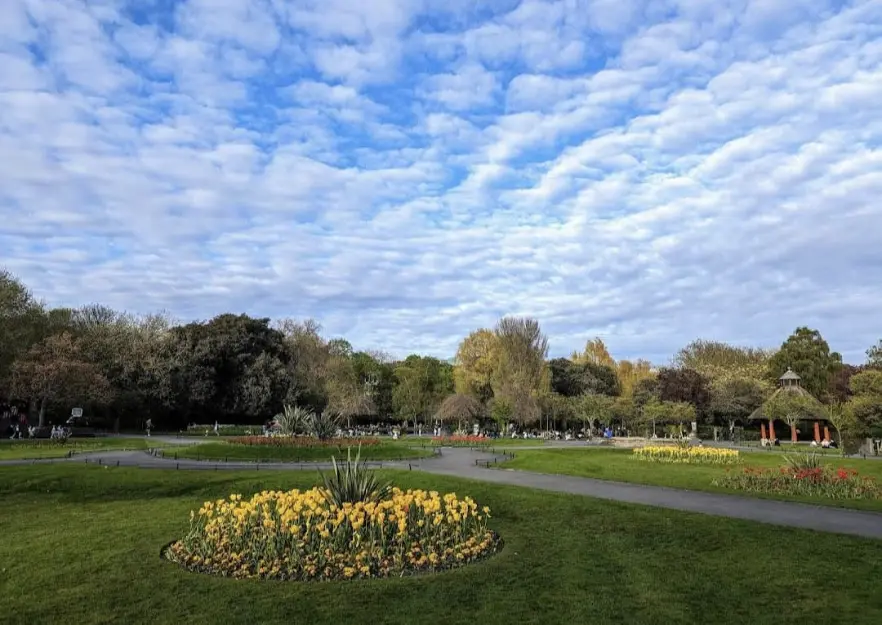
Find the Yeats Memorial Garden in the northwest corner that most tourists skip completely. Quiet space dedicated to W.B. Yeats with plantings and stonework designed for contemplation rather than photographs. That’s where you see Dublin residents reading books on benches instead of crowds taking selfies.
Iveagh Gardens
St Stephen’s Green gets 3 million visitors annually. Iveagh Gardens sits 200 meters away behind the National Concert Hall. Gets maybe 50,000 visitors yearly. Same Victorian design. Fountains, maze, woodlands, cascade waterfall. Zero crowds.
This is something the Dublin locals don’t tell you about because they want to keep it quiet. I sat here reading for two hours on a Saturday afternoon. I saw maybe 15 people total. Heard birds instead of traffic. It felt like discovering a secret garden hidden in plain sight.
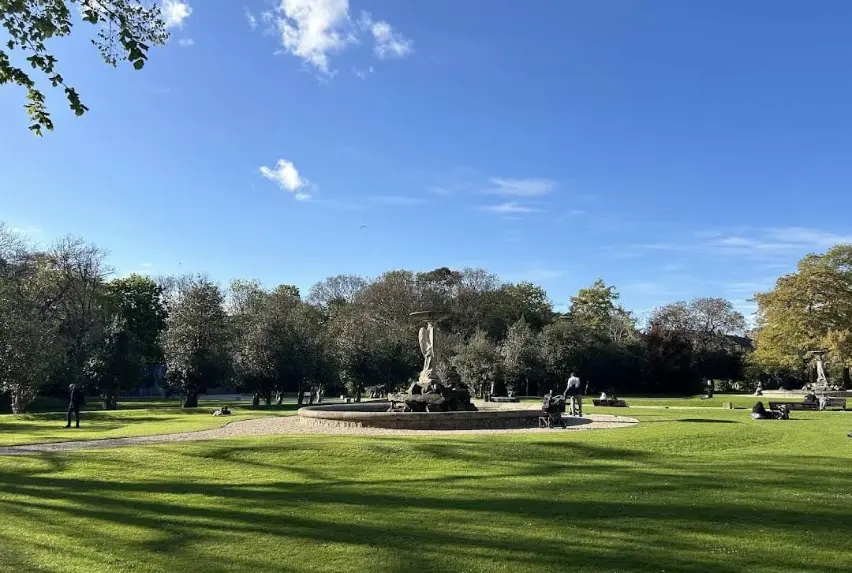
Enter from Clonmel Street behind the National Concert Hall. The gardens were designed in 1865 and fell into neglect before restoration in the 1990s. Now they operate as Dublin’s best kept secret among free outdoor spaces where you can genuinely escape city energy without leaving the city centre.
Walking Dublin Costs Nothing But Shows Everything
The Georgian architecture lining Merrion Square represents 200+ years of Irish history. Every doorway tells stories. Every facade survived wars, rebellions, economic crashes. Paid walking tours charge €15-25 to point at plaques you can read yourself.
Or you can just walk and look up. That costs zero euros. You can even take free walking tours in Dublin to experience it in a more fun way.
Georgian Dublin Walking Route
My sister took a paid walking tour pointing out Georgian doors and Oscar Wilde’s childhood home. I walked the same route solo reading historical markers. She spent €20 and followed a guide’s schedule. I spent €0 and stopped wherever I was interested. We both learned the same history.
Start at Merrion Square and walk toward Fitzwilliam Street examining the colorful doors that make Dublin’s Georgian district famous. Every door is different. Oscar Wilde’s childhood home sits at 1 Merrion Square North. W.B. Yeats lived at number 82. Daniel O’Connell at 58.
Continue down Fitzwilliam Street toward Ely Place where intact Georgian streetscape shows 18th century Dublin architecture exactly as built. End at St Stephen’s Green after walking past hundreds of preserved Georgian buildings that cities across Europe demolished for modern development.
Don’t rush this walk. The point isn’t finishing a route. It’s noticing architectural details and imagining Georgian Dublin when these buildings housed Ireland’s ruling class before independence changed everything. No tour guide needed when buildings themselves tell the story.
Temple Bar at Sunrise
Temple Bar during midday equals a tourist trap. Pubs charge €7-8 per pint serving international visitors singing Danny Boy. But walking Temple Bar at 7am or 9pm costs nothing and shows you the actual neighborhood behind its daytime tourist identity.
I photographed an empty Temple Bar one Sunday at 6:30am. Cobblestone alleys. Victorian streetlamps. Street art nobody sees behind the crowds. The neighborhood is breathing before it puts on its tourist costume for another day. It’s a must try if you’re staying at hotels near Temple Bar.
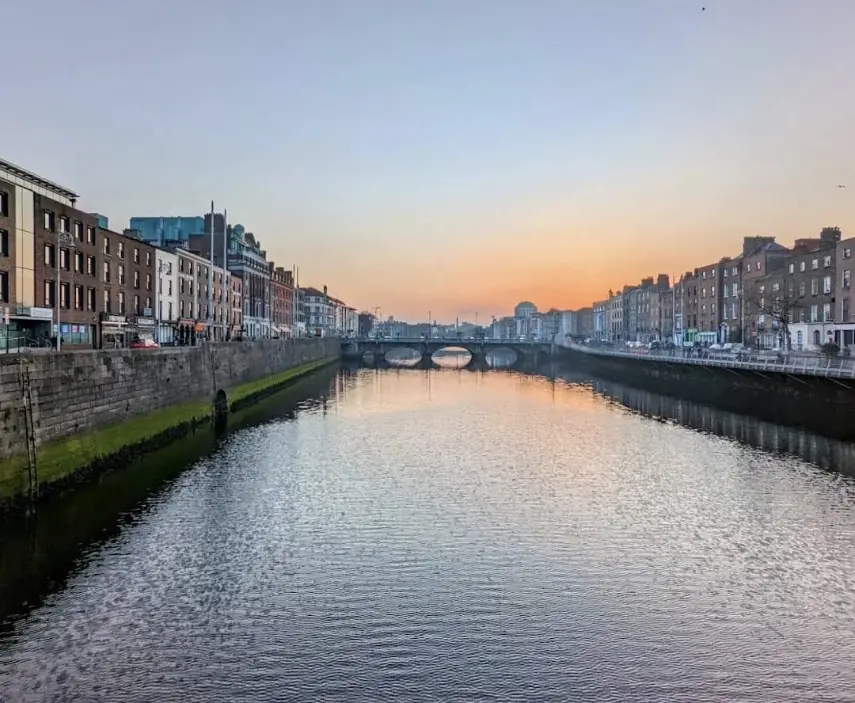
Walk it at sunrise before restaurants open and see architecture most visitors miss while navigating crowds. Medieval street pattern. Buildings from the 1700s. The actual character of Temple Bar that daytime chaos completely obscures.
Ha’penny Bridge to Custom House Walk
Cross the 1816 Ha’penny Bridge where Dubliners once paid a halfpenny toll to cross the Liffey. Walk east along the river boardwalk toward Custom House built in 1791. Both structures survived the Irish Civil War when Custom House was burned and later restored.
Best light for photos hits around 6-7pm during summer evenings when sun angles toward the river illuminating Custom House’s Portland stone facade. Free to photograph. Free to walk. Free to sit on benches watching the Liffey flow past modern Dublin built around centuries-old architecture.
This walk connects Temple Bar to Dublin’s Docklands showing the transition from historic tourism district to modern financial quarter in about 20 minutes on foot.
Glasnevin Cemetery
One and a half million people are buried here including Michael Collins, Éamon de Valera, Brendan Behan, and Charles Stewart Parnell. More concentrated Irish history per acre than any museum. Entry costs nothing.
Self-guided tour maps available at the entrance show locations of significant graves and monuments. Plan 2-3 hours to walk the grounds reading headstones and historical markers that tell Ireland’s story through the people who shaped it.
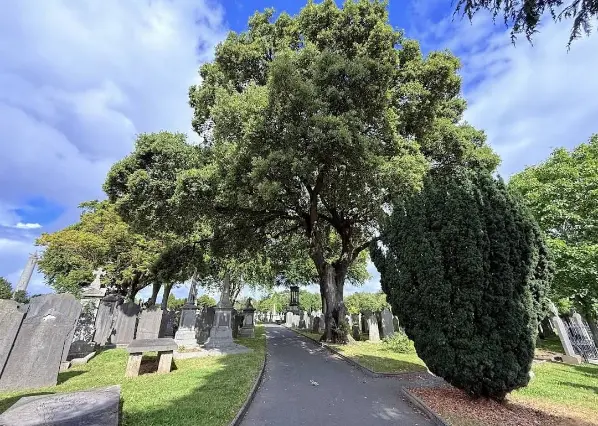
This isn’t morbid tourism. It’s understanding Irish history through the resting places of people who created it. The round tower marking Daniel O’Connell’s grave stands 54 meters tall and can be seen from across Dublin. Free to visit. Free to reflect on history that shaped modern Ireland.
Free Dublin Music & Events Locals Actually Attend
Dublin earned UNESCO City of Literature status. The city hosts free cultural events almost daily. Yet tourists pay €50+ for “traditional Irish experiences” in Temple Bar pubs that serve Spanish tourists performing Danny Boy. Real Dublin culture happens free if you know the schedule.
National Concert Hall – Lunchtime Concerts
Free concerts every Tuesday at 1:05pm during term time. Classical, contemporary, Irish traditional music performed by students and professionals. Thirty to 45 minute performances at Earlsfort Terrace that just require you to show up.
I stumbled into one accidentally while walking past the concert hall on a Tuesday afternoon. The doors were open. Music drifted outside. Walked in to find a classical pianist performing for maybe 50 people in a venue that holds 1,200 for evening concerts costing €30-50.
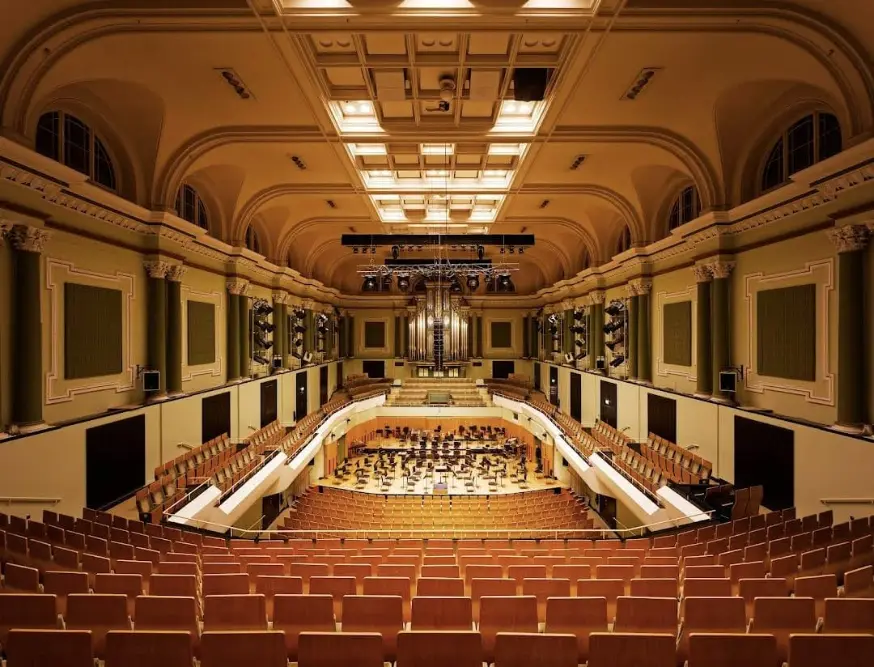
Seating is limited and fills by 12:50pm for popular performances. Arrive at 12:45pm for good spots. Same concert hall. Same acoustics. Free admission because the goal is cultural access rather than revenue.
Smithfield Square Events
First Sunday monthly brings free markets with local vendors, street food stands, and live music to Smithfield Square. This sits near Jameson Distillery where tours cost €25 to see whiskey-making displays. The market costs €0 and shows you Dublin’s creative and food scene without manufactured tourist experiences.
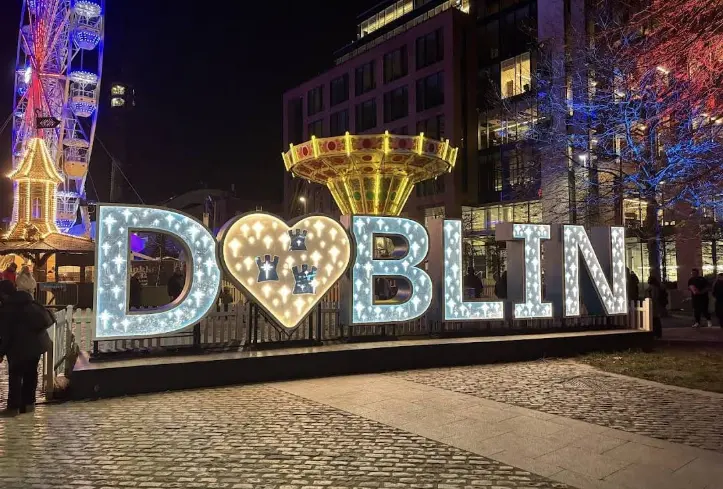
Markets run 9am-3pm with peak crowds between 11am-1pm. Local makers selling jewelry, art, vintage clothes, handmade goods. The energy feels completely different from Temple Bar’s tourist focus. This is Dublin residents spending Sunday mornings supporting local businesses and eating brunch outdoors when weather cooperates.
National Library Exhibitions
Rotating literary exhibitions showcase original manuscripts, first editions, and archives from Yeats, Joyce, Wilde, and other Irish writers. Small exhibition space on Kildare Street with free admission showing Ireland’s literary heritage through documents that shaped world literature.
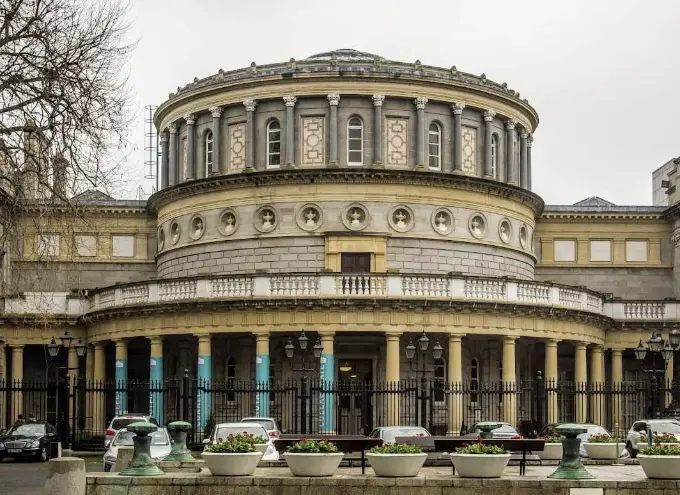
I saw an original Joyce manuscript here instead of paying €10 for the James Joyce Museum in Sandycove. Same historical value. Free access. Twenty to thirty minute experience but authentic connection to Ireland’s writers without tourist markup.
Free Things to Do in Dublin Guidebooks Skip
The experiences tourists remember most didn’t cost money. They cost attention. Attention to finding the bookshop in Dublin locals use, the food market where people shop, the city libraries in Dublin where students study. These don’t charge admission because they’re not attractions. They’re just Dublin.
Docklands Boardwalk at Sunset
Silicon Valley of Dublin sits along the Docklands where tech companies occupy modern glass buildings completely different from historic city centre’s character. Walk the boardwalk between Samuel Beckett Bridge and Grand Canal Dock watching the architectural transition from old Dublin to new.
I watched tech workers finish their day at 5pm flooding onto the boardwalk heading toward DART stations and restaurants. Different energy than Temple Bar. Modern Ireland’s economy is visible in the offices and people rather than historic sites and pubs.
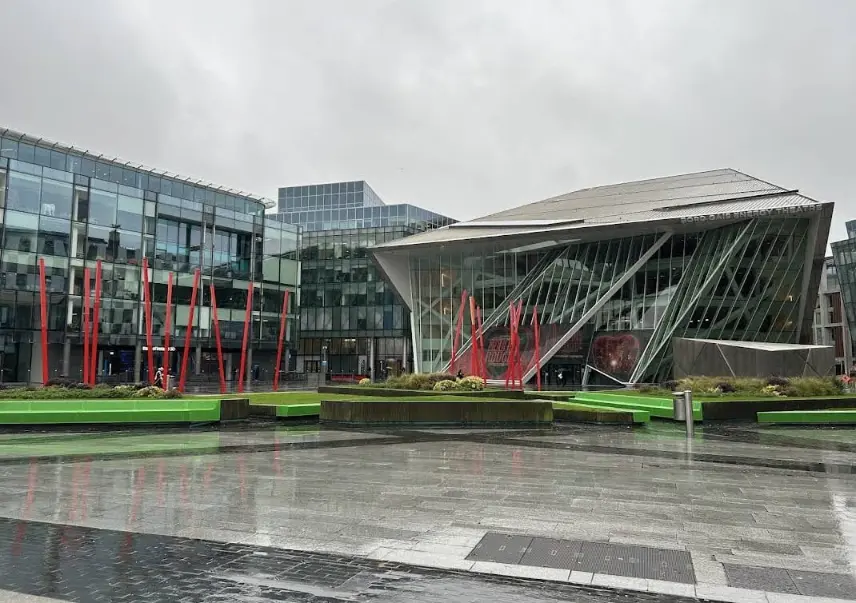
Walk this between 6-8pm summer evenings when light reflects off glass buildings and water creates an atmosphere you won’t find in tourist districts. Free. Peaceful. Shows Dublin’s present and future rather than only its past.
Marsh’s Library
Ireland’s oldest public library opened in 1707. Original Dark Ages manuscripts sit visible behind cages where scholars once locked themselves in to read valuable books. Free to enter the reading room and sit among leather-bound volumes in a library that predates most American cities.
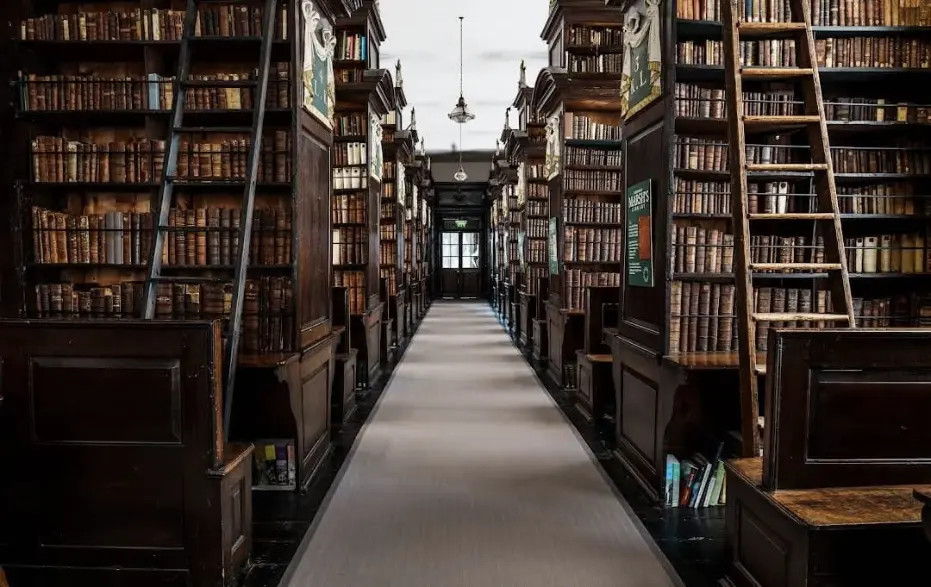
My friend who studies history spent three hours here simply existing in a space that survived centuries. The reading room costs €0 to enter. Guided tours cost €3 if you want deeper context but sitting quietly in a 300-year-old library is free and honestly more memorable than any tour.
Dublin Food Co-op Market
Saturday mornings at Newmarket Square bring Dublin’s alternative food scene to a community market that tourists never find. Where Dublin vegans, artists, students, and local food advocates shop for produce, baked goods, coffee, and prepared foods.
This isn’t a tourist attraction performing Irish identity. It’s just a market serving a community. I bought a €3 pastry and sat outside for an hour watching people-watching while Dublin woke up on a Saturday morning. Saw more authentic city characters there than any paid cultural experience shows.
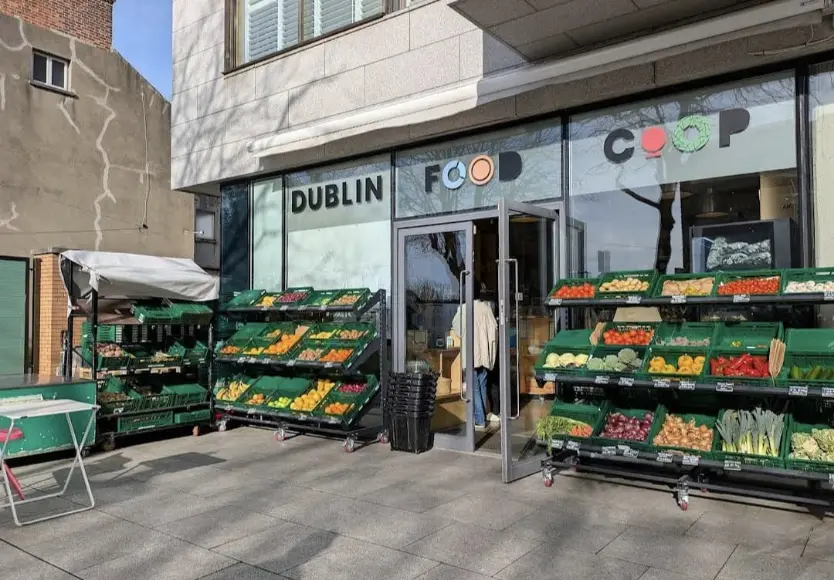
Local produce from Irish farms. Coffee roasted in Dublin. Breads baked that morning. Free to walk through. No pressure to buy anything. Just see how Dublin residents start their weekends when they’re not performing for tourist cameras.
How Free Things in Dublin Save You €150+ Daily
The average Dublin tourist spends €146 daily on attractions per Fáilte Ireland data. Using this guide for one day saves €100-120 minimum when you replace paid experiences with equally valuable free alternatives.
Here’s the comparison that shows the math clearly:
Typical Tourist Day costs €146:
- Guinness Storehouse: €26
- Trinity Library Book of Kells: €21
- Dublin Castle tour: €8
- Hop-on-hop-off bus: €25
- Temple Bar food and drinks: €66
Free Alternative Day costs €8:
- National Museum of Ireland: Free
- Phoenix Park walk and deer watching: Free
- Georgian architecture self-guided walk: Free
- National Concert Hall lunchtime concert: Free
- Iveagh Gardens relaxation: Free
- Coffee and sandwich from local cafe: €8
You save €138 in one day. Over a three-day Dublin trip, that’s €400+ saved while experiencing more authentic city character than paid tourist attractions offer.
The money you save goes toward better meals, extra days in Ireland, or experiences you actually want rather than feeling obligated to spend because everyone says you must visit certain paid attractions.
Free Dublin by Season
Spring brings the St Patrick’s Festival free parade on March 17 attracting 500,000 people to Dublin’s streets. Phoenix Park cherry blossoms bloom in April creating pink canopies along walking paths. Trinity College grounds show spring flowers throughout the campus which is free to walk through even though the library charges admission.
Summer months offer Smithfield outdoor cinema events, some free nights throughout July and August. Merrion Square hosts lunch concerts. Phoenix Park becomes ideal for picnics during Ireland’s longest daylight with sunsets around 10pm giving you extra hours for outdoor activities.
Autumn includes Culture Night in September when museums, galleries, and cultural venues across Dublin open free with special events until 11pm. Halloween Macnas Parade in late October. Phoenix Park shows autumn colours through November when leaves turn and crowds disappear.
Winter brings Grafton Street Christmas lights starting late November. St Stephen’s Green becomes peaceful for winter walks when tourists decrease and locals reclaim the city. New Year’s Festival includes free concerts on December 31 though you’ll need warm clothes for outdoor celebrations.
Dublin’s Hidden Free Gems
Dublin doesn’t hide its best experiences behind paywalls. The city’s real character shows up in Phoenix Park at sunrise, in Georgian doorways nobody photographs, in free museum collections tourists skip for paid attractions that pale in comparison.
You don’t need a €500 budget to experience Dublin properly. You need to know what to carry in Ireland and enough time to walk past tourist traps toward places locals actually value. These 15 free experiences show you Dublin the way residents see it rather than how guidebooks sell it.
Start at Phoenix Park if the weather cooperates or the National Museum if it rains. Download offline maps showing Georgian Dublin and free museum locations. Walk more than you planned. Sit in Iveagh Gardens. Attend a Tuesday concert. Let the city reveal itself without €26 admission fees blocking authentic experiences.
Dublin rewards exploration more than spending. Choose accordingly! And do follow Dublinz Facebook and Dublinz Instagram for more tour guides now!
What are the best free things to do in Dublin city centre?
The National Gallery, St Stephen’s Green, Georgian architecture walk from Merrion Square to Fitzwilliam Street, and Chester Beatty Library all sit within Dublin city centre offering world-class experiences for free. Trinity College grounds are free to walk through though the Book of Kells costs €21 to see inside the library.
Are Dublin museums free?
National Museum of Ireland branches, National Gallery of Ireland, Irish Museum of Modern Art, and Chester Beatty Library all offer completely free admission. Some special exhibitions may charge fees but permanent collections stay free year-round. Most free museums Dublin offers close Mondays so plan visits Tuesday through Sunday.
Can you visit Dublin on a budget?
Absolutely. Following this guide saves €100-150 daily compared to typical tourist spending. Phoenix Park, free museums, Georgian walks, and Iveagh Gardens provide full days of activities without spending anything beyond €8-12 for food. Budget accommodations in Dublin make fun accessible even with limited funds.
What free outdoor activities does Dublin offer?
Phoenix Park covers 1,752 acres for walking, picnicking, and deer watching. St Stephen’s Green and Iveagh Gardens provide Victorian garden experiences. Docklands boardwalk shows modern Dublin. Ha’penny Bridge to Custom House walk follows the Liffey. All completely free outdoor activities in Dublin require only comfortable walking shoes.
Is Phoenix Park really free to enter?
Yes, completely free with no admission charges anywhere in the park. The 1,752 acres stay open to the public daily. You can walk, cycle, picnic, photograph wildlife, and explore monuments without paying anything. Dublin Zoo operates inside Phoenix Park and charges admission but the park itself costs €0.
Comments are closed.