
When it comes to packing for Ireland, it can feel like preparing for four seasons in one day, and that’s not an exaggeration. One moment, the skies are clear and blue, and the next, you’re scrambling for your raincoat under a sudden rain.
But don’t worry, I’ve been there, and once you understand the patterns and get a feel for the vibe, dressing for Ireland becomes more of a charming challenge than a chore.
And in this article, we’ll walk you through what to wear for Ireland and be prepared for all the seasons it’ll take you through, covering what to wear and carry in Ireland so nothing catches you off guard. Without further ado, let’s start!
Spring (March to May)
The month of May marks the beginning of spring, and so, March begins the cheerful season in Ireland, where the countryside quad blooms of fresh green and colors of the nature flowers while the temperatures remain between 8 and 15 degrees.
The weather can, however, get a bit chilly for you. While March can be the coldest of the lot, the lenient hint of warmth is mostly felt in May. The rainfall remains an everlasting companion, waiting for the puffing clouds to emerge often.

When spring arrives, the first and most important thing to do is to dress in layers. Be it a sweater, a water-resistant jacket, or a light long-sleeved shirt, these are essential for the chilly weather hovering around 15 degrees.
Those wishing to dress in long pants can try jeans or comfy trousers. For those willing to go for a walk outside, wearing shoes that can keep your feet waterproof is the way to go in case you get caught in the rain.
Summer (June to August)
You might be surprised to learn that summer in Ireland is quite mild compared to most other countries. The usual temperatures are around 14°C to 20°C, and while June can start cool, July and August bring the warmest days of the year. However, “warm” in Ireland is not exactly the warmest of all.
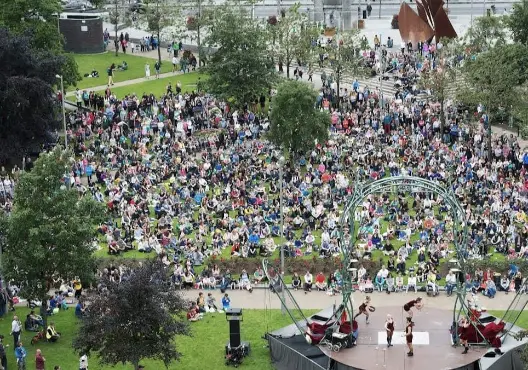
Summer is the time when the Irish come alive. There are festivals like the Galway International Arts Festival, Bloomsday in Dublin, and outdoor music events across the country; there are plenty of reasons to enjoy the adventures. It means that whatever you pack should be versatile enough to go from hiking to pub-hopping.
During the day, a short-sleeved top or blouse with jeans, leggings, or lightweight trousers is ideal. On warmer days, you might be able to wear a dress or shorts, but make sure to pack a cardigan or denim jacket in case temperatures dip.
And yes, always bring a rain jacket or a foldable umbrella, I mean, it’s still Ireland, after all. Comfortable walking shoes or waterproof sneakers are important, especially if you’re wandering around or exploring nature trails.
Evenings can be cooler, so a warm layer is a must. Locals will typically wear what you’d consider spring or autumn attire, jackets, scarves, and closed shoes are common even during July.
Autumn (September to November)
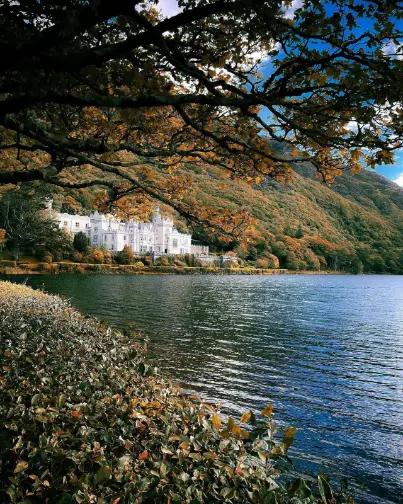
The most aesthetic time of year in Ireland is, without a doubt, autumn. There is no denying that the warm beaches and country shores in the fall turn into a quiet oasis filled with orange and red leaves.
The temperatures peak to 10 degrees, with a slow and steady 5-degree decline towards the end of November, introducing a chill in the air along with the near-constant rain.
Be sure to add jumpers, longer t-shirts, thermal tights, and heavier jackets to your wardrobe. Wearing longer coats, such as trench coats and wool coats, will do wonders in early autumn. When November hits, be sure to wear a padded jacket and get hand warmers to ease into the cold weather.
The stylish boots of the season will suffice in dealing with the ever-muddied grounds and wet feet. To top off your look, make sure to throw on a warm scarf, a beanie, and gloves as the late wind and rain bring surprisingly colder weather.
The colors of the season also add to the cozy vibes that burgundy, navy, mustard, and forest green provide. Lastly, the locals add a layer of subdued and elegant looks to balance out their style.
Winter (December to February)
Winter in Ireland isn’t brutally cold, but it is damp, and that’s what makes it feel colder than it is. The usual temperatures typically range from 0°C to 8°C, with January usually being the coldest month.
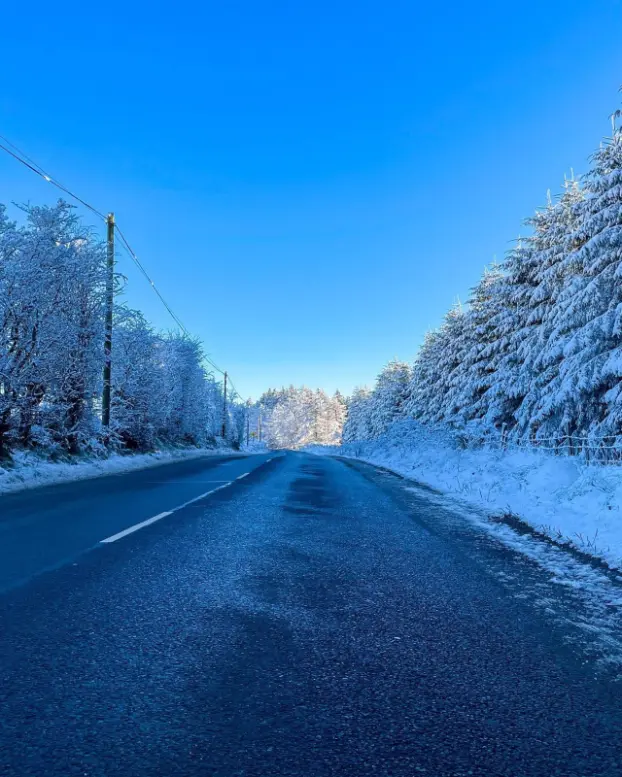
Snow is rare but not hard to see, especially in rural or mountainous areas, but you’re more likely to deal with frost, wind, and lots of grey skies.
Dressing for Irish winters is all about insulation, and I learned it the hard way. A proper winter coat, something padded and water-resistant, is a must. You can layer up with thermals, wool sweaters, and long trousers or jeans.
You’ll also need gloves, a scarf, and a warm hat to protect yourself from the wind, especially if you’re walking along the coast or in open areas.
If you’re planning on going out in the evenings, maybe to enjoy traditional music at a local pub or join in the festive atmosphere during Christmas, remember that most indoor spaces are heated.
You’ll want clothes that are warm enough to get you there without overheating you. For shoes, waterproof boots with good grip are best, especially in icy or slippery conditions.
Despite the grey skies, winter has its own kind of charm in Ireland. The city is adorned with twinkling lights, cozy cafés invite you in from the cold, and the mood is festive. So, dressing warmly means you can enjoy it all without shivering your way through.
Tips to Make You a Pro
One of the best things that I have learned living here is the art of layering. It always works. There’s a reason why “layering” is the unofficial dress code in Ireland. It’s not just a fashion choice, it’s a survival strategy. With a climate known for its dramatic mood swings, being able to adapt to sudden changes in temperature, wind, or rain is important.
And since the weather can shift several times in a single day, layering gives you the flexibility to stay comfortable whether the sun’s out or a misty rain rolls in.
So, what does layering actually look like in practice? Let me tell you.
Start with a base layer, which is the piece closest to your skin, and it sets the tone for your comfort throughout the day. In cooler months, opt for thermal tops or breathable long-sleeves. For hotter months, a tank top is just fine.
Next comes the middle layer, which is all about keeping you warm in style. This could be a soft fleece or a knitted jumper. It should be something you can easily slip on and off, depending on whether the day turns chillier or you step into a heated café or museum.
This layer makes a huge difference during spring and autumn when the temperatures are between and hard to predict. This is optional for hotter months, though.
Then comes the outer layer, important for cooler months. In Ireland, this usually means something that’s both waterproof and windproof. A sturdy raincoat, or jacket with a hood, is perfect. Brownie points if it’s breathable too, because humid rain and stuffy coats do not mix well.
And finally, my favourite, accessorize! The options are endless here. From jewelry to adorn in the hotter months to getting scarves, beanies, and socks, this is your moment to play. These accessories are also easy to stash in your bag and throw on when the temperature dips unexpectedly.
The beauty of layering in Ireland is that it allows you to adapt to the country’s weather shifts. A morning walk in Galway might feel brisk and cool, but by lunchtime, the sun could be beaming down, and by mid-afternoon, you might find yourself caught in a quick drizzle.
With my formula of the perfect layers, you’ll always be ready to embrace the Irish mood swings with style. So when you’re planning what to pack, always think in layers. It’s the one thing that guarantees you’ll be prepared for whatever the Irish skies decide to throw your way.
Ready for Ireland
And there you have it, all the ways that you can dress in Ireland, made for each season and change. Packing for Ireland might require a bit more thought than a beach holiday, but once you crack the code, it becomes natural.
I hope with this guide you’ll be an expert in packing for Ireland with ease. How do you pack for Ireland? Have you ever experienced mishaps with the dress codes? What are some of your takeaways from this? Let us know! Thank you for reading and do follow Dublinz Facebook and Dublinz Instagram for more travel guides like this one now!
Comments are closed.