
Most tourists for Ireland book July trips expecting 75°F California sunshine. Then they arrive in Ireland to 62°F air and horizontal rain, watching €400 worth of coastal tours disappear by day two. This is the reality of weather in Ireland, not a rare fluke.
The biggest mistake tourists make is planning Ireland like their home country.
Mediterranean spring expectations collide with 50°F Atlantic winds that cut through waterproof jackets. Long-range weather forecasts for Ireland change repeatedly before the trip even begins. What looks dry one week can turn into storms the next.
With a packed calendar of events and festivals in Ireland 2026, thousands of tourists will repeat the same weather mistakes that quietly drain their pockets through cancelled activities and non-refundable bookings.
So this guide on weather in Ireland breaks down the seven planning errors that keep catching visitors out. Keep reading and you will know which mistakes not to make before planning your next Ireland trip!
Love Ireland? Then do follow Dublinz Facebook and Dublinz Instagram and stay connected to the community.
Seasons in Ireland: When Daylight Hours Matter More Than Temperature
Weather in Ireland by season depends less on temperature differences and more on daylight availability. Summer delivers 17 hours of daylight extending exploration from 5am until 10pm. Winter shrinks this to 8 hours with 4pm darkness cutting sightseeing short regardless of temperature.
This 9-hour daylight difference changes trip planning completely. Summer tourists visit four attractions daily. Winter visitors manage two before darkness forces them indoors.
Spring (March-May)
Temperature: 8-13°C
Daylight: 6:30am-8:45pm by late April
Rainfall: 50-90mm monthly
Southeast spring arrives 3 weeks earlier than the west coast. Cork enjoys mild conditions while Galway still experiences winter weather patterns. St. Patrick’s Festival in Dublin coincides with unpredictable early spring conditions.
Summer (June-August)
Temperature: 14-18°C
Daylight: 17 hours maximum
Rainfall: 60-80mm monthly
Peak tourist crowds hit July-August but weather stays relatively stable. Irish summer means light jacket weather, not shorts and t-shirts tourists expect.
Autumn (September-November)
Temperature: 10-14°C
Daylight: Rapidly shortening
Storm Season: Begins October
September offers the best single month for weather in Ireland, balancing relatively warm temperatures, lighter crowds, and a window of calm before Atlantic storms become frequent. It’s the point where the country is still open, moving, and enjoyable without summer chaos.
I learned this the hard way. I booked Connemara coastal drives for November, chasing autumn colours and quiet roads. By day two, an Atlantic storm rolled in. What looked like a scenic shoulder season on paper turned into a weather-locked waiting game that no guidebook warns you about.
Winter (December-February)
Temperature: 4-8°C
Daylight: 8 hours
Storm Risk: Highest
Frequent Atlantic storms close coastal routes regularly. Storm Ophelia in October 2017 shut down 80% of attractions for 3 days with zero refunds issued. Flexible itineraries with indoor activities in Dublin or whenever you’re staying become essential in such situations.
Skip Ireland weather planning if:
- You need guaranteed sunshine for photography
- You expect 70°F+ Mediterranean warmth in summer
- You can’t handle 50°F temperatures feeling like 40°F with wind chill
- You refuse to build flexible itineraries around hourly weather changes
What to Pack for Ireland Weather
What to pack for Ireland comes down to one item tourists always forget: waterproof trousers. Rain jackets get packed universally. Rain pants get left home universally. Wet legs make 10°C feel like 4°C and ruin entire days outdoors.
Essential Ireland Packing List:
1. Hardshell waterproof jackets with hood handles and horizontal Atlantic rain ponchos can’t survive.
2. Waterproof trousers protect the lower body from getting soaked between attractions.
3. Waterproof boots in Ireland are essential for serious hiking.
4. Merino wool base layers dry fast and stay warm when wet unlike cotton.
5. Quick-dry towel + waterproof dry bags protects electronics from sudden downpours.
7 Weather Mistakes Tourists Make in Ireland
Mistake #1: Planning Outdoor-Heavy Itineraries With Zero Flexibility
The Problem: Tourist books 5 consecutive coastal days targeting Cliffs of Moher, Ring of Kerry, Dingle Peninsula, Connemara, and Aran Islands. An Atlantic storm hits. All pre-paid boat tours cancelled with no refunds.
The Solution:
- Build 60% outdoor activities, 40% indoor backup options
- Research 2-3 indoor alternatives for every outdoor plan
- Buy refundable tickets for weather-dependent coastal tours
- Book non-refundable for museums, distilleries, indoor castle tours
Mistake #2: Starting West Coast First
The Problem: Landing Shannon makes Cliffs of Moher look convenient for first-day exploration. This fights Irish weather patterns. Atlantic storms hit western counties hardest bringing 80-100mm March rainfall versus southeast’s 50-60mm.
The Solution: What I noticed is tourists who route southeast first (Cork, Kilkenny, Waterford) build weather buffer time. Save Galway, Clare, and Mayo for days 4-7 when you’ve tested Irish weather reality firsthand.
Mistake #3: Trusting Week-Long Weather Forecasts
The Problem: Planning entire itineraries based on 7-day forecasts means rearranging daily plans when predictions change 3 times before your trip starts.
The Solution:
- Trust only 24-48 hour weather forecasts
- Check hourly predictions rather than daily summaries
- Compare 2-3 weather sources for important activities
Mistake #4: Comparing Irish Weather to Home Country Expectations
The problem: Tourists from California pack for June in Ireland expecting 70°F summer warmth, only to arrive at 15°C (59°F) temperatures and 30 mph Atlantic winds. Wind chill alone can make it feel 5–8°C colder than the forecast suggests.
The Solution: Pack for conditions 10-15°F cooler than equivalent months in California, Mediterranean, or southern US destinations.
Mistake #5: Fighting Weather Instead of Adapting to Conditions
The Problem: You wake to rain in Galway and cancel the day before it even starts. Tours feel pointless, photos feel impossible, and hours pass in a hotel room while money and precious travel time quietly slip away.
The Solution: Adjust plans instead of abandoning them. Overcast skies reduce harsh shadows and improve visibility for landscapes. Rain often clears air pollution, leading to better views after storms. Wet conditions increase water flow at waterfalls like Torc, making them far more impressive than in dry weather.
Mistake #6: Wrong Photography Timing for Weather Conditions
The Problem: A 2 pm arrival at the Cliffs of Moher means harsh midday light, crowded viewing platforms, and peak Atlantic winds, turning a highlight stop into a rushed and uncomfortable visit.
The Solution:
- Cliffs of Moher: 8-11am (calmest winds, best light)
- Ring of Kerry: 7am clockwise (beats tour buses)
- Giant’s Causeway: 2-4pm (fog clears)
- Wicklow Mountains: 10am-2pm (mist burns off)
Mistake #7: Not Planning for Weather Disruptions
The Problem: If the ferry to the Aran Islands is cancelled due to rough seas and you have no backup plan, the entire day slips away sitting in Doolin, waiting on the weather and regretting a plan built on one assumption.
The Solution: Pre-research 2-3 backup activities for every outdoor plan before leaving home. Download exact addresses, phone numbers, and opening hours offline.
If Cliffs of Moher cancelled:
- Aillwee Cave (underground, weather-proof)
- Doolin village Cliff Walk (lower altitude, safer)
- Visitor center only (indoor viewing)
- Burren Perfumery (indoor, nearby)
If Ring of Kerry impossible:
- Killarney National Park (town-based access)
- Muckross House (indoor touring)
- Torc Waterfall (dramatic in rain)
- Ross Castle (indoor guided tours)
Regional Weather Differences: Where to Go When
Ireland regional weather varies dramatically by county creating strategic routing opportunities.
Southeast (Cork, Waterford, Wexford)
Rainfall: 50-60mm March (driest region)
Strategy: Start your trip here
Advantage: 20-30% better weather probability than west coast
East (Dublin, Wicklow)
Rainfall: 50-80mm March
Strategy: Excellent indoor backup options
Warning: Wicklow Mountains create rain shadow effects
West (Galway, Clare, Mayo)
Rainfall: 80-100mm March (wettest region)
Strategy: Save for mid-trip or end timing
Worth It: Most dramatic landscapes justify rain exposure
Northwest (Sligo, Donegal)
Rainfall: 60-80mm (surprisingly drier than west)
Strategy: Hidden gem fewer crowds
Advantage: 15-20% less rainfall than Galway
Northern Ireland
Rainfall: Variable
Strategy: Different weather patterns from Republic
Advantage: Often clearer when southern counties face storms
Weather-Proof Ireland Itinerary Planning System
The 60/40 Planning Rule
Smart travel in Ireland starts with balance. Plan sixty percent outdoor experiences that rely on decent conditions and forty percent indoor options that work in any forecast. For every cliff walk, island ferry, or coastal drive, research two to three solid indoor backups before you book a single ticket.
Flexible Booking Strategy
Irish weather rewards flexibility and punishes rigid plans. Book refundable options for anything exposed to wind, rain, or sea conditions. This includes coastal tours, island boat trips, ferry crossings, and mountain hikes.
Save non-refundable bookings for weather-proof experiences like museums in Dublin, whiskey distilleries, indoor castle tours, and free walking tours in Dublin or the place you’re staying.
Pre-Download Critical Information
Unstable weather in Ireland often comes with poor signal, road closures, or sudden reroutes. Save all backup details offline before you arrive. Store exact addresses, phone numbers, and opening hours. Screenshot maps and directions so GPS still works without data. When plans change fast, having this information ready turns a ruined day into a recovered one.
Best Times to Visit Ireland’s Top Attractions
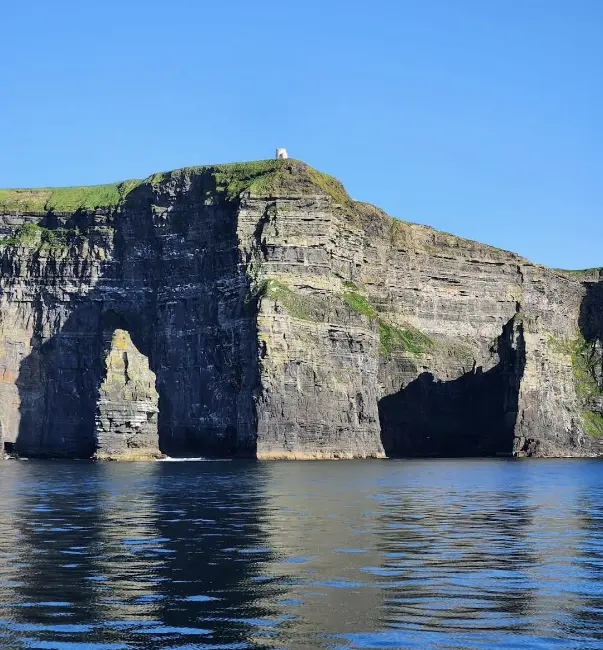
1. Cliffs of Moher
Best: 8-11am (calmest winds, minimal crowds, best light)
Avoid: 2-5pm (harsh light, peak tourists, maximum winds)
Secret: Post-storm within 24 hours (dramatic skies)
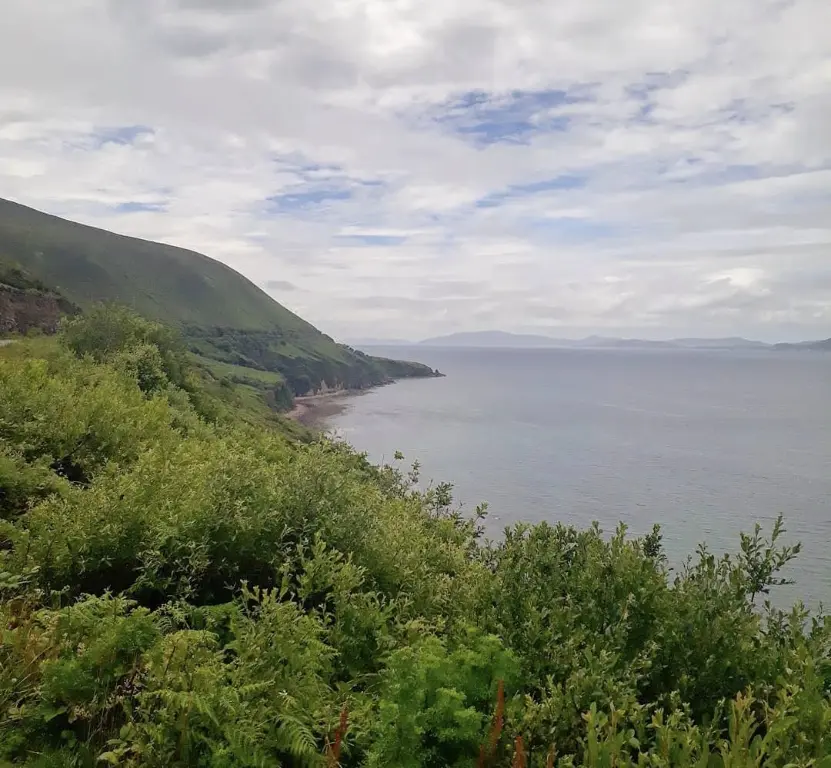
2. Ring of Kerry
Best: 7am clockwise (beats tour buses, avoids afternoon rain)
Avoid: Counterclockwise route (stuck behind 40+ buses)
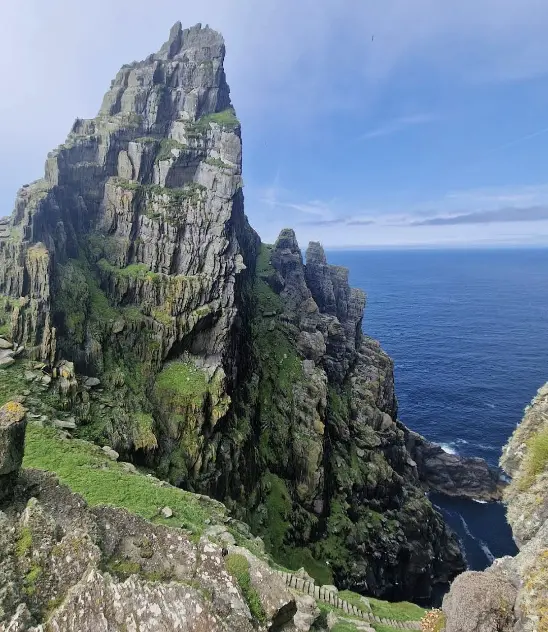
3. Skellig Michael
Best: May-June (higher boat landing success rates)
Risky: March, September (significantly more cancellations)
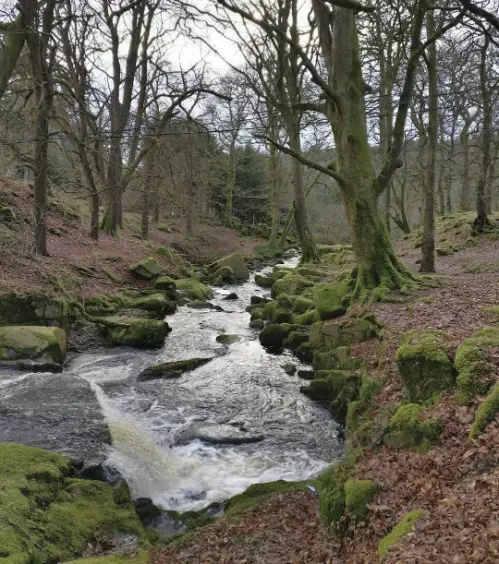
4. Wicklow Mountains/Glendalough
Best: 10am-2pm (morning mist burns off)
Avoid: Before 9am (fog blocks valley views)
5. Dublin City
Best: Anytime (90% indoor sightseeing)
Weather Apps Locals Actually Use in Ireland
1. Met Éireann Official App
Ireland’s most accurate weather forecasts come straight from the Irish Meteorological Service. Calibrated for local maritime conditions, it outperforms generic apps like Google Weather.
2. Windy.com
Essential for coastal trips. Visual wind maps show speed and direction, helping you decide when locations like the Cliffs of Moher become unsafe—avoid visits above 50 km/h winds.
3. YR.no
The Norwegian Meteorological Institute may be international, but its hourly forecasts for Ireland are surprisingly reliable, offering precision many other apps lack.
4. Mountain Weather Ireland
A must for hikers. Provides localized forecasts for Wicklow and Mourne Mountains, including wind, precipitation, and visibility critical for safe planning.
What to Ignore
- 7–10 day forecasts, they’re nearly useless in Ireland
- Generic apps not tuned for Irish maritime weather
- Predictions beyond 48 hours
Pro Tips
- Always check hourly forecasts rather than daily summaries
- Sign up for ferry and tour text alerts to catch last-minute changes
- Compare 2–3 reliable sources before booking outdoor activities to stay ahead of Ireland’s unpredictable weather
Month-by-Month Weather in Ireland
- January-February: Cities, museums, distilleries, cozy pub culture, indoor castle tours (8-hour daylight)
- March: Southeast road trips, early spring hiking with backup plans, St. Patrick’s Festival March 14-17
- April-May: BEST overall balance (mild weather, fewer crowds, spring blooms, 15-hour daylight)
- June-August: Islands, coastal activities, camping, outdoor festivals (book 3+ months ahead)
- September: BEST single month (warm, fewer crowds, green landscapes, pre-storm stability)
- October-November: Storm season begins (cities, sheltered areas, indoor-focused itineraries)
- December: Christmas markets, cozy indoor experiences, urban plans (8-hour daylight)
Frequently Asked Questions About Ireland Weather
What is the best month to visit Ireland for good weather?
September offers the best balance with 14-16°C temperatures, fewer crowds, and pre-storm stability. May and June work well for longer daylight and spring blooms.
Does it rain every day in Ireland?
No. Ireland averages 15-22 rainy days monthly, meaning 8-15 dry days exist. Rain rarely lasts all day with typical 30-60 minute showers followed by sun.
What should I pack for Ireland’s weather in summer?
Waterproof jacket, waterproof trousers, waterproof boots, merino wool base layers, and quick-dry towel. Irish summer averages 15-17°C (60-63°F) feeling 5-8°C colder with wind.
Why is Irish weather so unpredictable?
Ireland sits where Gulf Stream warm water meets Arctic cold air creating rapid hourly changes. This makes forecasts beyond 48 hours unreliable.
Which part of Ireland has the best weather?
Southeast Ireland (Cork, Waterford, Wexford) receives 750-800mm annual rainfall versus 1,250mm west coast, making it Ireland’s driest region.
Comments are closed.