
Mention the Dublin Flea Market to anyone who spent time in the city over the past decade, and you’ll usually get more than a simple answer. You’ll hear about Sunday afternoons spent digging through vintage rails, unexpected chats with stallholders, and that small rush of excitement when you spotted something you didn’t even know you were looking for. For many people, it was never just a market. It was an experience, much like the atmosphere people still seek out at the Sunday Market Dublin.
I first came across it by accident. No plan, no shopping list, just curiosity. I left with a worn paperback, a retro jacket, and the feeling that I’d just seen a side of Dublin that doesn’t show up in guidebooks. That’s why the market still comes up so often when people talk about flea markets in Dublin. It blended local creativity, second-hand culture, and a very relaxed, welcoming atmosphere that felt unmistakably Dublin.
If you’re searching for the Dublin flea market in 2026, you’ve probably noticed some confusion. Is it still running? Has it moved? Or is it something people talk about because it mattered? This guide clears that up. It looks at what the market was, why it became so loved, and how its influence still lives on in today’s vintage and second-hand scene.
What you’ll learn in this guide
- The story behind the Dublin Flea Market and how it became part of the city’s culture
- What happened to the market and whether it still exists today
- Where to find flea-style markets and similar experiences in Dublin now
Let’s take a closer look at the real story behind the Dublin Flea Market , without the hype, and without the guesswork.
What Made the Dublin Flea Market So Special
The Dublin Flea Market became a place where locals and visitors could enjoy a relaxed Sunday, meet people, and explore unique items. Vintage clothes, old books, vinyl records, and unusual household items filled the stalls. Each piece carried a story and a sense of character.
Its charm came from the energy and community spirit. Shoppers could wander freely, chat with traders who were passionate about their goods, and find items that felt one-of-a-kind. The atmosphere was informal, welcoming, and full of life.
Some of the highlights included
- Second-hand clothes and accessories that immediately caught the eye
- Vinyl records, books, and collectible items that sparked nostalgia
- Unique locally made pieces that could not be found anywhere else
- The shared excitement of browsing alongside fellow visitors
The market ran once a month, which made each event feel special. People came without a plan and often left with something completely unexpected. Even though the original market no longer operates, its spirit continues to influence Dublin’s vintage and second-hand scene today. It was never about luxury or big shopping. It was about stories, unique items, and the joy of wandering through the heart of the city.
The Story Behind the Dublin Flea Market
The Dublin Flea Market began in November 2008 as a small social enterprise to support independent traders. It quickly grew into a monthly event with around 70 to 80 stalls and thousands of visitors, becoming a lively hub for second-hand and vintage culture, similar in atmosphere to the community feel found at the Herbert Park Market Dublin.
Originally held at Newmarket Square in Dublin 8, it later moved to The Digital Hub on Thomas Street after redevelopment. Visitors could browse clothing, accessories, books, vinyl records, furniture, and unique local designs.
Beyond shopping, the market was a community space where artists, creatives, and collectors came together. Even though it no longer runs in its original form, its spirit lives on through pop-up events, seasonal markets, and Dublin’s growing vintage scene.
How the Market Worked
The Dublin Flea Market had a rhythm that regular visitors came to know well. It usually took place on the last Sunday of the month and attracted people who enjoyed browsing through a mix of stalls, chatting with sellers, and finding unusual items.
Even though it no longer operates in its original form, knowing how it worked explains why it was so popular and why it continues to influence Dublin’s vintage scene.
Timing and Location
The market opened from late morning to early evening, giving everyone plenty of time to explore. It began at Newmarket Square in Dublin 8, a lively part of the city that gave the market a local feel. After redevelopment, it moved to The Digital Hub on Thomas Street. The new venue offered both indoor and outdoor spaces, allowing traders to adapt to the weather and visitors to browse comfortably.
Stall Variety
Each stall had its own character and offered something different. Visitors could find:
- Second-hand clothes and fashion, often vintage or retro items with unique style
- Books, vinyl records, and collectibles for music and literature lovers
- Furniture and home items with character and a history
- Quirky and unusual objects that sparked curiosity
The variety was part of the appeal. Shoppers never knew what they might come across, which made each visit feel like a new experience.
Community and Experience
The market was more than a place to buy things. People wandered at their own pace and spent time talking with traders who often became familiar faces. Friendly haggling was part of the culture. There were also food stalls and seating areas so visitors could relax and socialize.
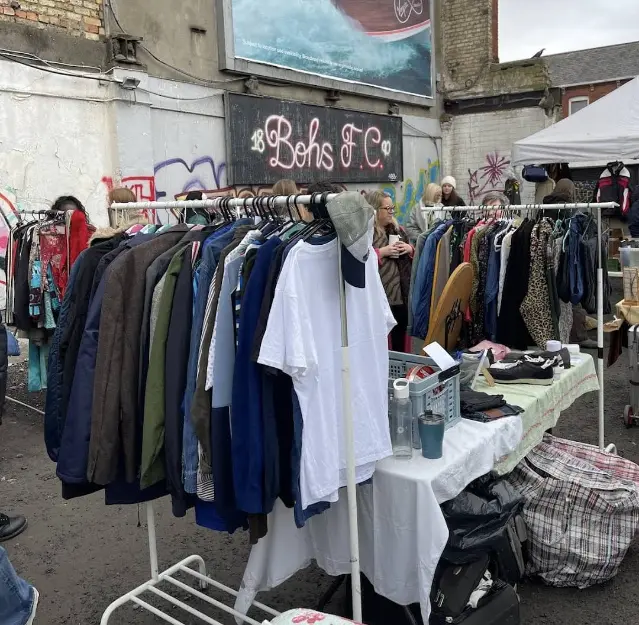
Even though the original Dublin Flea Market does not run monthly anymore, this is how it worked for over a decade. Its atmosphere, variety, and sense of community continue to influence flea-style markets and vintage shopping in Dublin today.
The Social and Cultural Role of the Dublin Flea Market
The Dublin Flea Market was more than a place to shop. It became an important part of Dublin’s community and culture. For locals, it was a chance to connect with neighbours and support small traders. For visitors, it offered a glimpse into the city’s creative and vintage scene beyond typical tourist areas.
The market had several key social and cultural roles:
- Promoting sustainable shopping in Dublin: Second-hand clothing, furniture, and collectibles were given a second life, encouraging reuse and reducing waste.
- Supporting local creativity: Artists and designers displayed posters, prints, and unique handmade items alongside vintage finds.
- Building community connections: Regular visitors and traders became familiar faces. Conversations over shared interests in fashion, music, and collectibles were common.
- Creating a welcoming atmosphere: The market was informal, relaxed, and inclusive, making it easy for everyone to spend time browsing and enjoying the day.
Even though the market no longer runs in its original monthly format, its influence is still visible. Its ideas of community, creativity, and sustainability continue in seasonal pop-ups, independent vintage shops, and other flea-style markets around Dublin.
Market Closure and Current Status
The Dublin Flea Market was a beloved monthly event for over a decade, but it no longer runs in its original form. Understanding its closure is important for visitors and anyone searching for the Dublin Flea Market still open.
Key points about its closure and current status:
- Final trading: The market ceased permanently after September 2019.
- No regular monthly events: There is currently no scheduled flea market operating under the Dublin Flea Market name.
- Pop-up and seasonal events: The spirit of the market continues in temporary flea-style events, Christmas markets, and other cultural collaborations.
- Legacy in Dublin: Even though the original market ended, its influence is still seen in independent markets, vintage shops, and community events across the city.
For anyone planning a visit in 2026, it is important to know that searches for “Dublin Flea Market near me” will not lead to a permanent, traditional market. Instead, visitors can explore pop-up markets or other vintage and second-hand shopping options that carry the same energy and community spirit.
So What Should You Expect as a Visitor Today
If you are planning a trip and typing “Dublin Flea Market” into Google, you are not alone. Many people do the same, often hoping to spend a relaxed Sunday browsing stalls. In 2026, that exact experience no longer exists in one fixed place, but the idea behind it has not disappeared.
Here is what matters for visitors right now:
- The original Dublin Flea Market does not run anymore as a monthly event
- Locations like Newmarket Square or Thomas Street are part of its history, not current schedules
- Flea style events now appear as pop ups, seasonal markets, or independent gatherings
- Dublin still offers plenty of second hand and vintage shopping, just spread across the city
For visitors, this simply means being a little flexible. Instead of heading to one permanent market, you will find similar experiences through weekend pop ups, Christmas flea events, and independent markets that reflect the same local energy.
Seasonal and One Off Markets That Feel Similar
Although the original Dublin Flea Market no longer runs, Dublin still hosts several seasonal and one off markets that offer a similar experience. These events may not happen every month, but they capture the same relaxed energy, mix of vintage items, and local creativity.
Popular flea style options visitors often enjoy include:
- Christmas flea and vintage markets held in the city centre during November and December, featuring second hand clothes, art, posters, and collectible items
- Pop up flea markets organised by independent groups, often hosted in creative spaces, event halls, or pedestrian streets
- Alternative market events that combine vintage sellers, local designers, music, and food in a casual setting
These markets usually appear around weekends and holidays, so checking local event listings is important before visiting. Many are announced closer to the date and run for only one day, often alongside busy shopping areas like Henry Street Dublin Shop.
For visitors searching for markets similar to the Dublin Flea Market, these seasonal events are the closest match. They offer the same feeling of browsing without pressure, chatting with sellers, and finding items with character.
Where to Go Instead for Vintage and Second Hand Shopping
Although the original Dublin Flea Market no longer runs, Dublin still offers plenty of vintage and second hand shopping options. Le Zeitgeist Flea Market in Phibsborough is a popular weekend event with clothing, vinyl, books, and collectibles in a relaxed, local atmosphere.
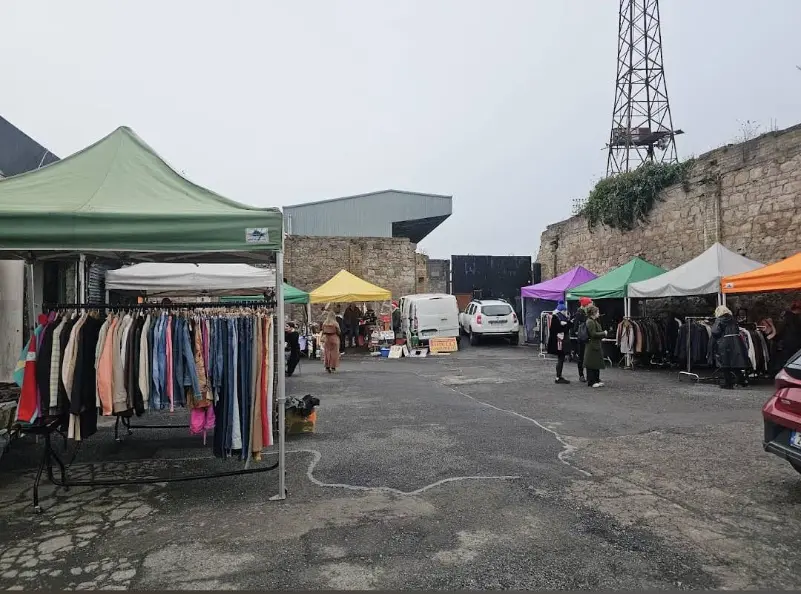
Seasonal pop up markets appear in the city centre during summer and Christmas, bringing together independent traders and creative sellers for one-day events.
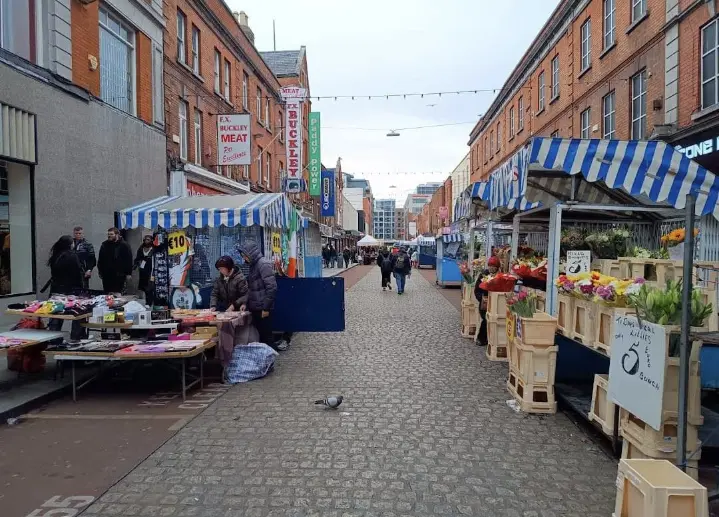
Independent vintage shops around Francis Street and Capel Street are also worth visiting, offering antique items, second hand fashion, and unique finds. Together, these options keep the spirit of the Dublin Flea Market alive across the city.
Keep the Thrill of Vintage Alive in Dublin
Even though the Dublin Flea Market no longer runs, its energy is still all around the city. Seasonal pop ups, independent shops, and flea style events give you the same sense of excitement and curiosity that made the original market so beloved.
Exploring these spaces is about more than buying. It is about taking a leisurely stroll, meeting people who care about what they sell, and finding items that spark a story or a memory. Each piece you pick up becomes part of your own Dublin adventure.
So next time you are in the city, embrace the unexpected. Let the charm of vintage and second hand shopping guide you, and discover a side of Dublin that feels local, lively, and full of surprises.
We warmly invite all Ireland lovers to follow Dublinz Facebook and Dublinz Instagram for more informative and engaging blogs like this.
Comments are closed.