
Searching for an immigration solicitor in Dublin usually means something real is happening. A visa has been refused. A permit is expiring. A citizenship application feels impossibly complex. Or someone is trying to bring their family to Ireland and does not know where to begin.
This guide does two things.
First, it gives you an honest, up-to-date picture of the ten best immigration law firms in Dublin, what each one genuinely specialises in, and who each firm tends to serve best, with insights drawn from leading firms featured in this top law firm Dublin guide.
Second, it gives you the context you actually need before you pick up the phone. That includes the most important changes to Irish immigration in 2025 and 2026, what Ireland’s immigration stamps actually mean, and the questions every person should ask before committing to a solicitor.
The 10 Best Immigration Solicitors in Dublin Right Now
These firms were assessed on specialisation, transparency, accessibility, and the specific situations each one handles best. No single firm is the right fit for every case, and this guide explains exactly who each one is suited for.
1. Sinnott Solicitors (Dublin City Centre and Cork)
Sinnott Solicitors is Ireland’s largest specialist immigration law firm, with a track record of bringing significant immigration cases before the High Court, the Supreme Court, and the European Court of Justice.
Their litigation work has directly contributed to changes in Irish immigration law and practice at the highest levels. Across hundreds of citizenship and residency cases, the firm has accumulated consistent five-star client reviews, making it one of the most reviewed immigration firms in the country.

Best suited for: Complex immigration cases, citizenship refusals you want to challenge through formal appeal or judicial review, High Court immigration litigation, and anyone who wants the most experienced specialist immigration firm in Ireland on their side.
2. IMK Law Solicitors (Dublin City Centre)
IMK Law is one of the very few Dublin immigration firms to offer walk-in consultations Monday to Friday between 11am and 7pm, which makes a genuine difference for people dealing with urgent stamp problems, IRP renewals, or employer-related permit complications.
Their website operates in 12 languages and their team provides support in Urdu, Portuguese, and English. For non-English speaking clients navigating Irish immigration law, that level of accessibility is genuinely rare and valuable.
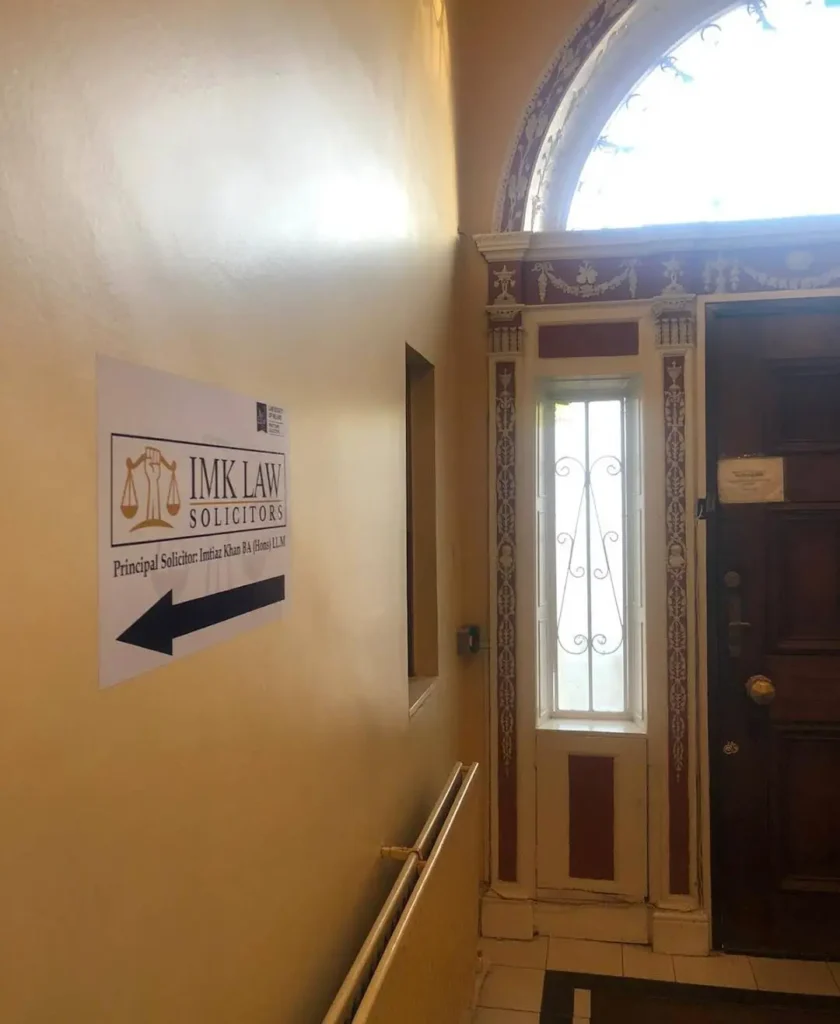
Best suited for: Urgent IRP or stamp issues that need same-week access to a solicitor, and non-English speaking clients who need multilingual immigration advice in Dublin in their own language.
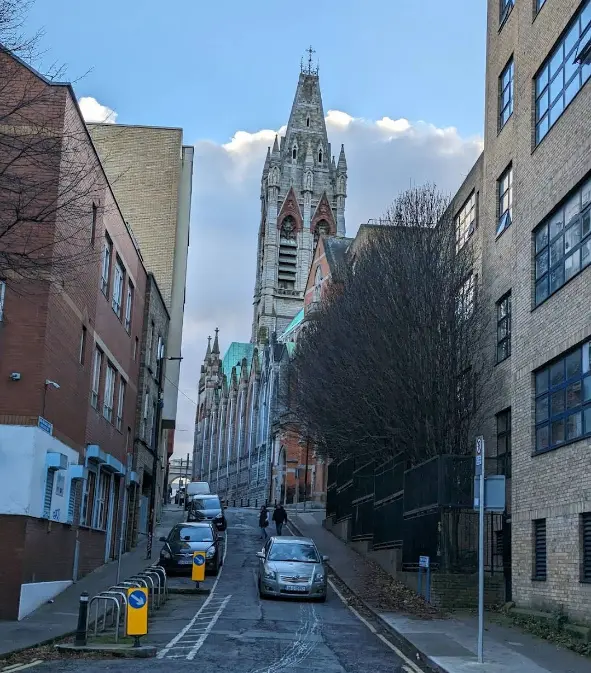
3. RNL Solicitors (Oliver Bond Street, Dublin 8)
RNL Solicitors assigns a dedicated immigration solicitor to each individual case, which matters in a field where being passed between team members can cost both time and continuity. Their offices are open until 9pm and they can be reached outside standard working hours by phone, email, and WhatsApp. They are also one of the very few Dublin immigration firms that publish consultation fees openly, with a 30-minute inquiry at €50 and a one-hour consultation at €100.
Best suited for: First-time callers who want an affordable, clearly priced immigration advice Dublin consultation before committing to full legal services, and visa or citizenship applicants who need out-of-hours access.
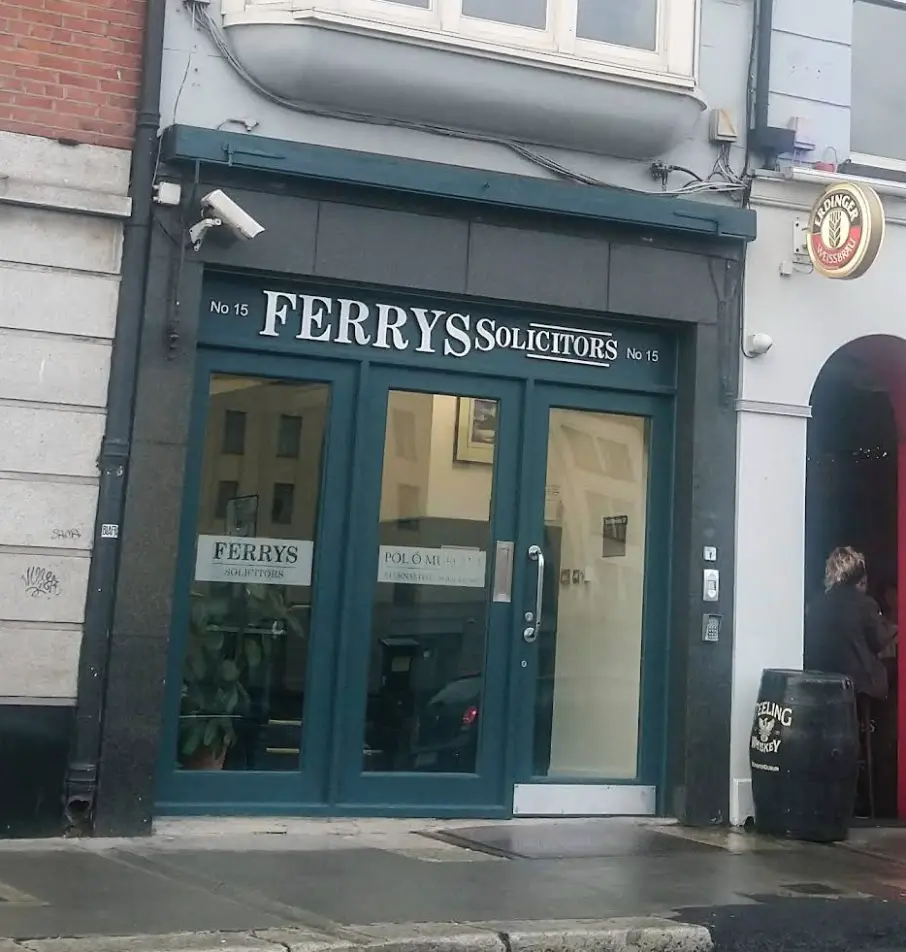
4. Ferrys Solicitors LLP (Multiple Dublin Offices)
Established in 1989, Ferrys Solicitors brings over 35 years of Irish immigration law experience to every case. The firm specialises in complex status change applications, particularly the Stamp 3 to Stamp 4 pathway that dependent spouses, graduating students, and workers completing their employment permit qualifying periods rely on most. Their depth of experience across stamp changes makes them a natural choice for anyone navigating a formal change of immigration status in Dublin.
Best suited for: Dependent spouses moving from Stamp 3 to Stamp 4, graduates on Stamp 1G transitioning to employment permissions, and workers upgrading their status after completing their permit qualifying period.
5. Gibson and Associates Solicitors (Dublin South)
Gibson and Associates offers immigration consultations via 45-minute video call, making them particularly practical for clients who cannot attend a Dublin immigration office in person, including people still based abroad who need Irish immigration guidance before they arrive.
Their team handles citizenship, visas, residency, and investor immigration, and their remote consultation model makes them one of the more accessible Irish immigration solicitor options for international clients.
Best suited for: Clients based abroad needing Irish immigration advice before relocating, investor and business immigration, citizenship by descent or naturalisation, and anyone who needs video call access rather than in-person appointments.

6. Abbey Law Solicitors (Temple Bar, Dublin City Centre)
Abbey Law is a boutique human rights law practice based in Temple Bar, founded in 2019 and relocated to larger premises in February 2024. Their immigration practice covers international protection applications, spouse and family reunification, citizenship and naturalisation, employment permits and visas, and EU Treaty Rights applications.
The firm is particularly known for rights-based immigration litigation and High Court judicial review work, and their approach to each case reflects a genuinely values-driven practice rather than a high-volume model.
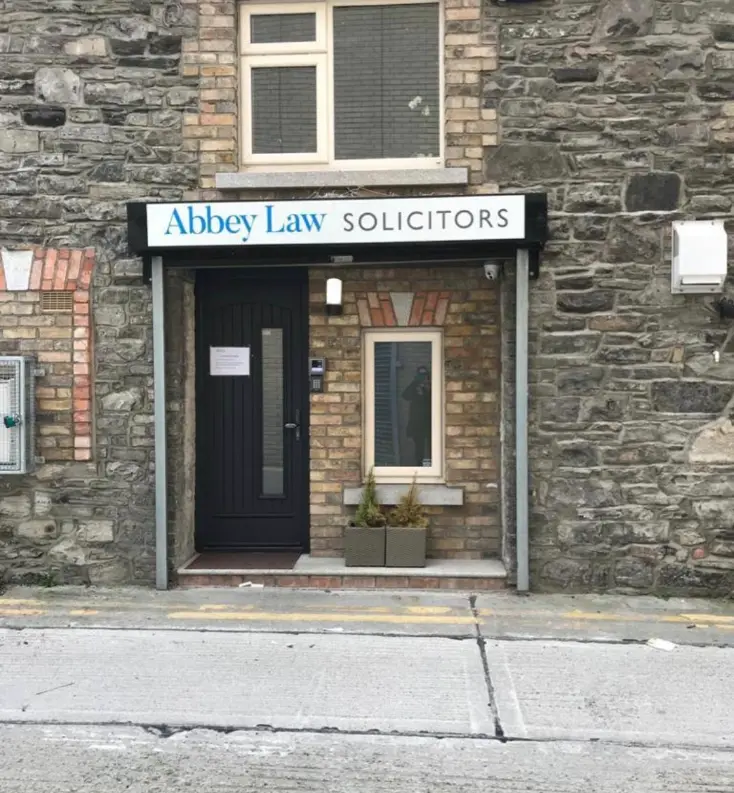
Best suited for: Asylum seekers and international protection applicants, family reunification Ireland solicitor cases, people facing deportation orders, and clients who need a firm with a strong human rights litigation background.
7. McGrath Mullan Solicitors (North Dublin City Centre)
McGrath Mullan specialise in Irish immigration law for both individuals and companies, and in most cases they can provide a fee estimate over the phone before you commit to a formal consultation.
The firm has particular strength in EU Treaty Rights cases, which affect non-EEA family members of EU citizens living in Ireland. This is an area that is often underserved by general immigration practices, and McGrath Mullan’s focused expertise here is a meaningful distinguishing factor.

Best suited for: Non-EEA family members of EU citizens exercising treaty rights in Ireland, corporate immigration for businesses bringing in international talent, and clients who want a clear cost estimate before making any commitment.
8. Williams Solicitors LLP (3 Dawson Street, Dublin 2)
Williams Solicitors is based in the heart of Dublin on Dawson Street and has built its immigration practice around multinational employers and high-net-worth individuals seeking residency and citizenship in Ireland. Client reviews consistently highlight the firm’s clear communication and thorough knowledge of cross-border immigration matters.
For businesses managing international talent pipelines or executives navigating complex permit applications, they offer a level of commercial fluency that specialist immigration boutiques sometimes lack.

Best suited for: Multinational companies managing work permit Ireland applications for international hires, high-net-worth individuals seeking Irish residency or citizenship, and executives dealing with complex cross-border permit matters.
9. KOD Lyons Solicitors (Dublin City Centre)
KOD Lyons operates at the intersection of commercial immigration and public interest law, two areas that rarely sit together at the same firm. They handle investment-based residency through the Start-up Entrepreneur Programme and corporate immigration for businesses establishing in the Irish market, while also bringing a rights-led approach to individual immigration cases that require it. The dual capacity makes them unusually versatile.
Best suited for: Entrepreneurs and investors seeking Irish residency, businesses setting up Dublin operations who need corporate immigration support, and individuals whose immigration cases involve a public interest or human rights dimension.
10. MS Solicitors (Dublin City Centre)
MS Solicitors handles complex immigration cases including visa applications, citizenship, and challenging immigration decisions, and their team works across both immigration and criminal defence law. That cross-practice capability matters in situations where a client’s immigration status intersects with a criminal law issue, a combination that many purely immigration-focused Dublin law firms are simply not equipped to manage effectively.
Best suited for: Complex immigration situations, clients whose case involves both immigration and criminal law elements, and visa applications that have already been refused and require a formal appeal or reapplication strategy.
One Thing You Should Know First: Irish Immigration Changed in January 2025
This is the most under-reported change in Irish immigration right now. If you or anyone you know has been told to go to the Garda National Immigration Bureau for first-time registration, that advice is now outdated, and understanding updates like these is exactly why resources such as how choose perfect law firm Dublin can be so valuable when selecting the right legal support.
From 13 January 2025, the responsibility for registering all first-time immigration permissions across the entire Republic of Ireland transferred to Immigration Service Delivery (ISD), a department of the Department of Justice. First-time registrations are no longer carried out at any Garda station anywhere in the country.
All first-time IRP appointments must now be booked through the ISD online customer portal at portal.irishimmigration.ie and attended in person at the ISD Registration Office at 13-14 Burgh Quay, Dublin 2.
This applies to applicants residing in every county in Ireland, not just Dublin. IRP renewals were already moved online through the ISD portal in 2024, so renewal applicants do not need to attend Burgh Quay in person. The registration fee for a first-time IRP card is €300, payable by card only on the day.
According to Citizens Information, first-time appointments at Burgh Quay are currently available within two to three weeks of booking. A good immigration solicitor Dublin will manage the entire process on your behalf, but knowing how it works means you can ask the right questions from the very first conversation.
What Are Irish Immigration Stamps and Why Do They Matter?
Your immigration stamp is the type of permission you hold to be in Ireland. It governs what you can do, who you can work for, how long you can stay, and whether you can move toward long-term residency or citizenship. It is recorded in your passport and on your Irish Residence Permit card, and it is the single most important detail in your day-to-day immigration life in Ireland.
Stamp 1 is for workers holding a valid employment permit. Stamp 2 is for students enrolled in recognised full-time courses. Stamp 3 is for non-EEA family members permitted to reside in Ireland but not permitted to work.
Stamp 4 is the permission most people are working toward, allowing the holder to work for any employer in any role without needing a separate permit. Stamp 5 means permission to remain without any condition as to time, essentially permanent residency. Stamp 6 indicates dual Irish citizenship.
The critical practical point that costs people dearly when they get it wrong is this.
Simply living in Ireland for five years on Stamp 2 as a student does not automatically qualify someone for Stamp 4. Specific eligibility routes apply depending on your permit history, and navigating them incorrectly can set a naturalisation or residency timeline back by years.
This is one of the most common and consequential mistakes people make without proper immigration advice Dublin, and it is exactly the kind of thing a good solicitor catches early.
The March 2026 Employment Permit Changes Every Worker in Dublin Needs to Know
From 1 March 2026, updated salary thresholds apply across all employment permit categories in Ireland, confirmed by the Department of Enterprise, Tourism and Employment.
The minimum salary for a General Employment Permit increased from €34,000 to €36,605. The minimum salary for a Critical Skills Employment Permit with a relevant degree increased from €38,000 to €40,904.
For workers in lower-paid sectors including meat processing, horticulture, healthcare assistance, and home care, the minimum salary increased from €30,000 to €32,691. These increases form part of a phased roadmap running through to 2030, with annual indexation to Central Statistics Office wage data built into the Employment Permits Act 2024.
These are not minor administrative adjustments. For anyone currently holding a General Employment Permit or Critical Skills Employment Permit in Ireland, their salary must now meet the new threshold or their renewal application will be refused.
This applies to both initial applications and renewals submitted on or after 1 March 2026, with no grandfathering for applications submitted after that date. If your current salary sits close to the previous minimum, speaking to a work permit solicitor Ireland before your next renewal date is genuinely the right call. A conversation now costs far less in time and stress than reversing a formal refusal later.
Do You Actually Need an Immigration Solicitor? An Honest Answer
Not every immigration matter in Ireland requires a solicitor.
Straightforward IRP renewals where nothing about your situation has changed, first-time student registrations at Burgh Quay with complete documentation, and simple visa applications for short-stay visits can often be managed without professional help if you have the time to research the requirements carefully and your situation is genuinely uncomplicated.
Where professional guidance pays for itself quickly is in situations involving any of the following. A previous refusal at any stage. An immigration status that has changed, lapsed, or is about to expire.
A citizenship or naturalisation application where the timeline or qualifying periods are unclear. Any case involving judicial review, an appeal, or a deportation order. A work permit renewal where a salary change or employer change may affect eligibility. EU Treaty Rights applications, which look straightforward but have specific evidentiary requirements that are easy to underestimate.
In any of these situations, the cost of getting it wrong is measured in months or years of delay, not just money. That is the honest calculation.
Five Questions to Ask Before You Hire an Immigration Solicitor in Dublin
The right solicitor for your case is not always the largest firm or the most visible one in search results. These five questions help you find the right fit before you commit.
“Does your firm regularly handle cases exactly like mine?”
Immigration law in Ireland covers a wide range of situations, and a firm with deep experience in citizenship by naturalisation may have limited experience in EU Treaty Rights cases. Specific experience matters more than general immigration practice.
“Who will actually be working on my case day to day?”
In larger firms, a senior solicitor may take your initial consultation while a more junior team member handles the day-to-day file management. Knowing this upfront helps you set the right expectations.
“Can you give me a clear written fee estimate before I commit to anything?”
A reputable immigration law Dublin firm provides this without hesitation. Vague pricing at the outset is a warning sign worth paying attention to.
“Are you registered with the Law Society of Ireland?”
Every practising solicitor in Ireland must be registered. Verification takes two minutes at lawsociety.ie and is non-negotiable regardless of how professional a firm appears.
“What is a realistic timeline and outcome for my specific situation?”
No solicitor can guarantee an outcome, but an experienced one can give you a grounded, honest picture of what to expect and how long it typically takes. If a firm is vague on both, keep looking.
Free and Low-Cost Immigration Help in Dublin
Professional legal advice is not always financially accessible, and there are legitimate free and low-cost routes worth knowing before you assume private representation is your only option.
FLAC, the Free Legal Advice Centres, operates free immigration law clinics across Dublin and can be reached on their information line at (01) 906 1010, open Monday to Friday from 9:30am to 1pm. Their volunteer lawyers are qualified to practise in Ireland and can provide initial information and guidance on immigration matters.
The Legal Aid Board operates the Refugee Legal Service, which provides free, confidential, and independent legal services to people applying for international protection in Ireland. For asylum seekers and international protection applicants, this is the most structured free legal support available.
The Immigrant Council of Ireland at 2 St Andrew Street, Dublin 2 offers free information, support, and in some cases legal representation for individuals regarding their immigration status. Their service is limited to complex cases or those with specific policy implications, but for those who qualify, it is a genuinely valuable resource.
Citizens Information centres across Dublin can also provide initial guidance on immigration matters and refer you to the appropriate service for your specific situation. Their phone line on 0818 07 4000 is available Monday to Friday from 9am to 8pm.
Final thought on Dublin’s Immigration Solicitors
Irish immigration law changes regularly, and 2025 and 2026 have already brought two significant shifts that most people outside the legal profession are not fully aware of. The GNIB to ISD transfer has changed where and how every non-EEA national in Ireland registers their permission. The March 2026 salary threshold increases have raised the floor for thousands of employment permit holders and applicants across the country.
The right immigration solicitor for your case is the one whose specific experience matches your specific situation, not necessarily the largest firm or the one with the most prominent website. Verify credentials at lawsociety.ie before you commit to anyone.
Use the questions in this guide at your first consultation. And if there is one thing worth remembering from everything on this page, it is that getting proper immigration advice in Dublin early in any matter is almost always significantly easier and less costly than seeking help after something has already gone wrong.
Get your Dublin lifestyle fix follow Dublinz Facebook and Dublinz Instagram now!
FAQs
Q: How do I find and verify the best immigration solicitor in Dublin for my specific visa or permit case?
Search the Law Society of Ireland register at lawsociety.ie to confirm registration. Then match the firm’s specialisation to your specific situation. A firm experienced in employment permits may have limited experience in family reunification or judicial review.
Q: What are the new employment permit salary thresholds in Ireland from March 2026?
From 1 March 2026, the General Employment Permit minimum increased from €34,000 to €36,605. The Critical Skills Employment Permit with a relevant degree increased from €38,000 to €40,904. Lower-paid sector permits increased from €30,000 to €32,691.
Q: Where do I register my Irish Residence Permit for the first time in Dublin in 2026?
All first-time IRP registrations are now handled by Immigration Service Delivery at 13-14 Burgh Quay, Dublin 2. Book through portal.irishimmigration.ie. The registration fee is €300 payable by card. GNIB no longer handles any first-time registrations.
Q: Is there free immigration legal advice available in Dublin for people who cannot afford a solicitor?
FLAC provides free immigration law clinics in Dublin, reachable at (01) 906 1010. The Legal Aid Board’s Refugee Legal Service covers international protection applicants. The Immigrant Council of Ireland offers free advice for complex cases at 2 St Andrew Street, Dublin 2.
Q: What is the difference between Stamp 4 and Stamp 5 immigration permission in Ireland?
Stamp 4 allows the holder to work for any employer without needing a separate employment permit. Stamp 5 is permission to remain without any condition as to time, effectively permanent residency. Each has different eligibility routes and qualifying criteria.