
Booking flights to Australia from Dublin is not like planning a short European trip. It is a long haul journey that often feels confusing right from the start. Prices change without warning, routes look complicated, and it is difficult to know whether a ticket priced at nine hundred or one thousand euros is reasonable or unnecessarily expensive. Many people rush to book simply because they fear prices will rise again, not because they truly understand their options. Once your flight is booked, it’s also worth planning time at the airport itself, as the Dublin Airport shop options can be surprisingly useful for last-minute travel essentials.
The challenge is not only the distance. It is the lack of clear and reliable information. Most online guides skip over the real issues people face when flying from Dublin to Australia. Long travel times, unavoidable stopovers, and major price differences between similar looking routes are rarely explained properly. Without this understanding, travellers often overpay or choose flights that leave them exhausted before they even arrive.
I wrote this guide because I know how stressful it can be to plan a trip like this. I want to help you see the full picture before spending hundreds or over a thousand euros. From real costs to stopovers and travel times, I will cover everything that can make or break your journey so you can book with confidence.
Flights to Australia from Dublin at a Glance
Understanding the basic reality of flights from Dublin to Australia makes the rest of your planning much easier. There are no direct flights from Dublin Airport to any Australian city. Any route you take will include at least one stop, typically in places like Dubai, Abu Dhabi or another major international hub.
Here are the key facts you should know before you search for tickets:
- No direct options are available. All flights involve at least one stopover.
- Typical flight time for Dublin to Australia is long because of the distance. For example, a common route to Sydney takes about 22 hours and 50 minutes from gate to gate, including layover time.
- Cheap return ticket deals can sometimes be found from around €630 to €650 for cities like Sydney, Brisbane, Melbourne and Perth depending on dates and airlines.
- The distance to major Australian cities from Dublin is massive. For example, the distance to Sydney is roughly 17,200 kilometers.
This snapshot gives you a realistic picture before you start comparing airlines and dates. Knowing that you will always have a stop and that travel time is significant helps you evaluate flight options without surprise.
How Flights from Dublin to Australia Actually Work
When there are no direct flights from Dublin to Australia, travellers reach Australia by taking connecting flights through major international hub airports. This is not unusual and is how all long-distance routes between Europe and Australia currently operate.
The most common entry points from Dublin are Sydney, Melbourne, Brisbane, and Perth. Each option suits a different type of traveller.
Comparison of Major Australian Entry Cities
| City | Typical Total Travel Time from Dublin | Common Stopover Regions | Best Suited For |
| Sydney | Around 22 to 23 hours | Middle East hubs such as Dubai or Abu Dhabi | First time visitors and those wanting the widest flight choice |
| Melbourne | Around 21 to 22 hours | Middle East hubs | Culture focused trips and southern Australia |
| Brisbane | Around 22 to 23 hours | Middle East or Asian hubs | Beach focused trips and Queensland travel |
| Perth | Around 19 to 20 hours | Middle East or European hubs | Shortest overall travel time |
Flight times are based on commonly available one stop routes and can vary depending on layover length and airline schedules.
Sydney:
Sydney is the most popular arrival city for flights to Australia from Dublin. It has the highest number of available routes and often the most competitive pricing because of frequent airline traffic. If this is your first time visiting Australia, Sydney is usually the safest and simplest option.

Melbourne:
Melbourne often offers slightly shorter total travel times compared to Sydney. It is a strong choice for travellers interested in food, arts, and city culture. It also works well if you plan to explore southern regions of Australia.
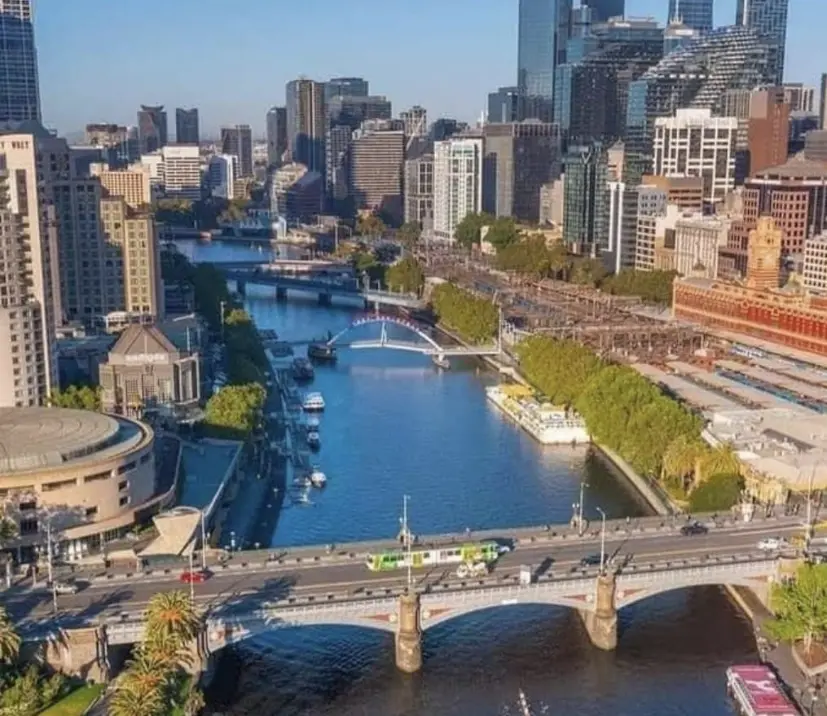
Brisbane:
Brisbane is a practical entry point for anyone planning to spend time in Queensland. While flight times are similar to Sydney, landing here can reduce the need for extra domestic flights if beaches and islands are part of your plan.
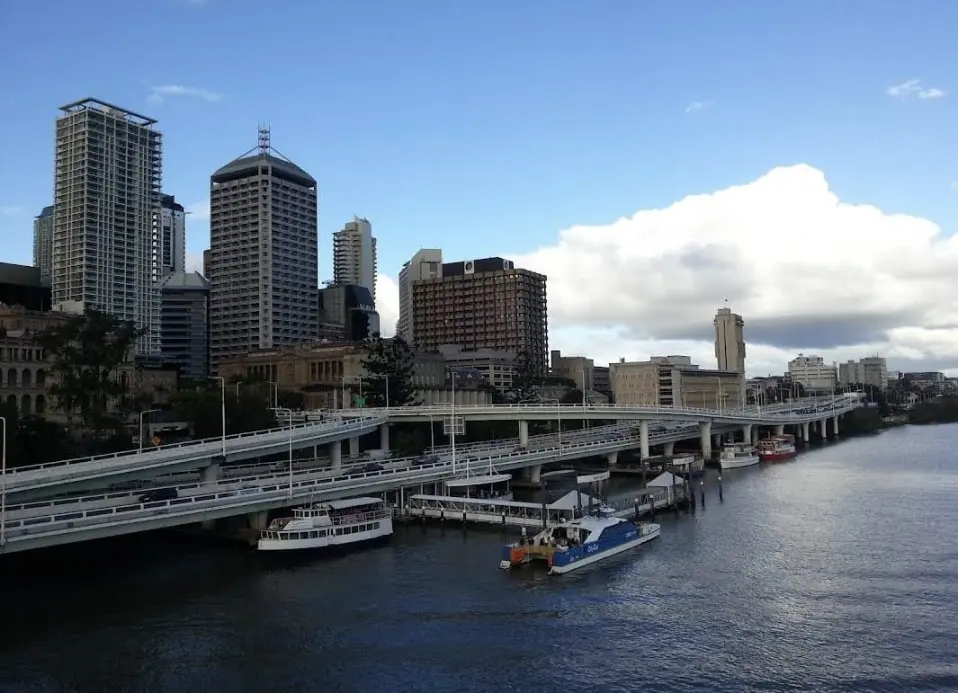
Perth:
Perth is the closest major Australian city to Ireland and usually has the shortest overall journey time. It is a smart choice if reducing time spent flying is your top priority, especially for shorter trips or work related travel.
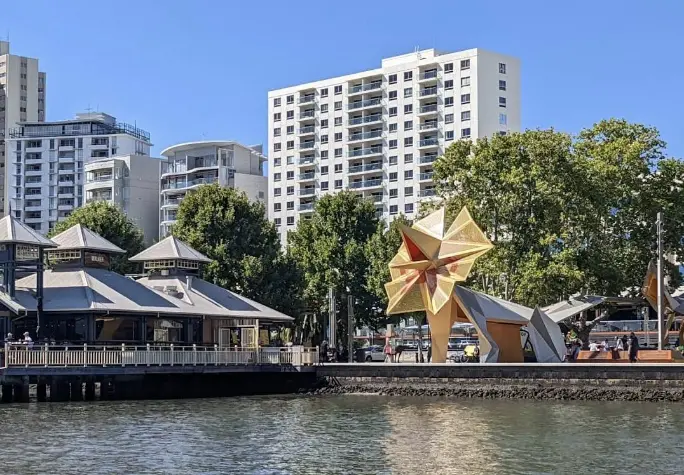
How to Choose the Right City for You
Your best option depends on what matters most to you:
- If you want the most flight options and flexibility, Sydney is usually best.
- If travel time matters more than anything else, Perth is often the shortest route.
- If your trip focuses on culture or food, Melbourne fits well.
- If beaches and warmer weather are your priority, Brisbane makes sense.
Once you know which city suits your plans, choosing the right route becomes much easier.
Real Flight Costs from Dublin to Australia
If you’re looking at flights from Dublin to Australia, get ready—these tickets are not cheap. On average, a return economy flight usually costs:
- Quiet months or early deals: €900 to €1,200
- Regular travel times: €1,300 to €1,600
- Peak season or last-minute bookings: €1,800 and up
Flights to Perth or smaller cities can be slightly more expensive because they often need extra stops. Business and premium economy seats cost a lot more, sometimes two or three times the economy fare.
Almost every flight will have at least one stop. One-stop flights are faster and more comfortable but usually cost more. Two-stop flights can be cheaper but take longer, so it’s a trade-off you’ll want to think about.
Why Flight Prices Can Jump So Fast
Here’s the thing about this route: prices move quickly. A flight you check in the morning might be hundreds of euros more by the afternoon.
Why does this happen?
- Cheap seats sell out fast
- More people searching the same route pushes prices up
- Busy travel periods, like Christmas or Australian summer, raise costs
- Booking too close to your departure date usually means higher fares
Also, the ticket price you see isn’t always the final price. Fees for baggage, seat selection, or meals can add up, especially on a 20+ hour journey.
Book a few months in advance and stay flexible with your dates. It usually saves the most money without giving up comfort
The Way I Book Flights to Australia Without Paying Too Much
If you want to save money on Flights to Australia from Dublin , timing is everything. From my experience, the best approach is to start looking about three to six months before your trip. Booking too early doesn’t always help, and waiting until the last minute usually means paying way more than you need to. I’ve seen prices jump by hundreds of euros in just a few days, so keeping an eye on fares early really takes the stress out of planning. The same booking patterns apply on long-haul routes like Dublin to Japan, where early research and flexible dates can make a big difference.
The month you fly also makes a big difference. December, January, and the July school holidays in Australia are the busiest months and tend to be the most expensive. I’ve found that flying during quieter months like February, March, or September usually costs less, and it’s also much nicer because airports and flights aren’t as crowded. You can see similar seasonal and midweek pricing patterns even on shorter routes like Dublin to Manchester.
Even the day of the week can change the price. Flights midweek, especially on a Tuesday or Wednesday, are often cheaper than weekend departures or returns. It might feel a little inconvenient, but moving your trip by a day or two can sometimes save a couple hundred euros. Early morning or late-night flights also tend to be cheaper than peak daytime options, which is another simple way to save.
Honestly, the key is flexibility. If you can adjust your dates even slightly and start checking fares a few months in advance, you’re much more likely to find a good deal without giving up comfort. Once you understand the patterns for peak seasons and midweek flights, booking a long-haul trip like this doesn’t have to feel overwhelming.
Final Thoughts on Flights to Australia from Dublin
Booking flights to Australia from Dublin can feel overwhelming with long travel times, stopovers, and changing prices. But once you understand the routes, how long the journey really takes, and when to book, it becomes much easier. Choosing the right city to fly into and staying flexible with your travel dates can save both money and stress, making the whole process less daunting.
At the end of the day, flying from Dublin to Australia is exciting. With a little planning and attention to fares, you can focus on the adventure ahead instead of worrying about flights. Small choices, like avoiding peak months or shifting your departure day, can make a big difference in comfort and cost, helping you start your trip on the right foot.
Join the community via Dublinz Facebook and Dublinz Instagram for regular travel updates now!