
I remember my initial exploration of Poolbeg Street Dublin. I was trying to get out of the wind near Tara Street. Then I turned a corner, and I had the feeling I’d traveled back in time. The red brick buildings shone with a warm glow from the afternoon sunlight. Just so different from the glass high-rises, and a reminder of the classic shopping routes like Henry Street Dublin Shop that still define the city’s character.
The length of this small street is only 0.2 kilometers. However, it is laden with two hundred years of rich history. It is an area that is both an extension of the old city and an extension of the Docklands. Each stone on this place is set to share tales with you. Now, let us walk down this treasure of Dublin.
Are you game to see the spot where JFK sat for a pint? Have a question about an avenue famous in James Joyce’s tales? This wee street is full of more magic than most. Simply click ahead to find out what the old Dublin was all about.
- Visit the pub known for the best Guinness.
- See the former home of Irish journalism.
- Find the quickest shortcut to Trinity College.
The Crown Jewel: Mulligan’s of Poolbeg Street
You can’t discuss this street without talking about its most renowned resident. Mulligan’s is more than your average local pub. It is a “cathedral of conversation” that has existed on this site since 1854. The family began its business on Thomas Street in 1782. It is the oldest family-operated pub in the city.
Why Mulligan’s is Legendary? A Pint of History
They claim that they have the best Guinness pouring in the city. They have a specialized “Dublin pour.” In this, the pint takes 119.5 seconds to settle. I watched the guy pour a perfect pint of Guinness into a tulip. No wonder they have 10,000 pint sales a year.
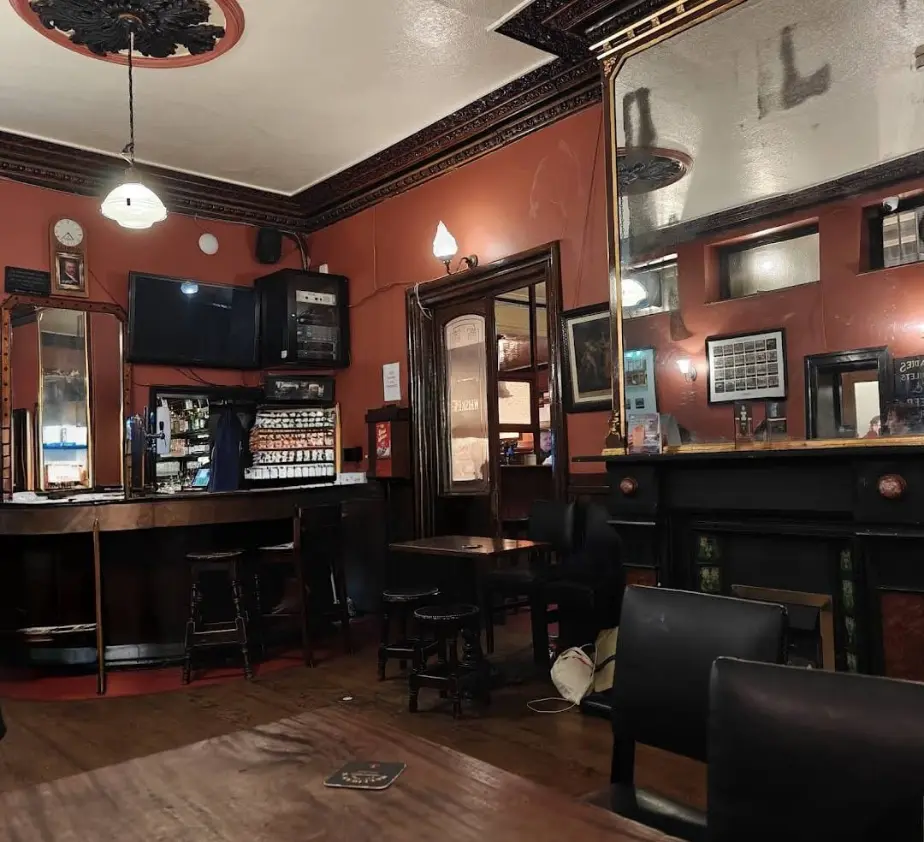
There are more than 200 famous signatures and old posters on the walls. This is because the pub was just behind the old Theatre Royal. There is an image of Judy Garland, who used to frequent this place. JFK also visited this place once for a pint in October 1963.
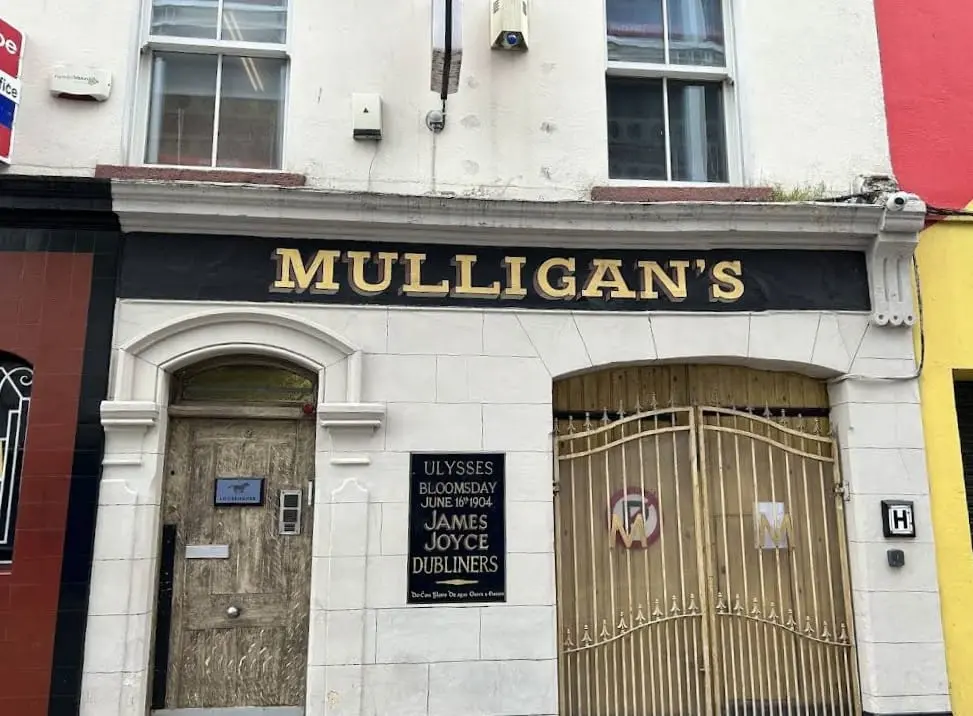
There is still a plaque where he sat as a journalist. There are no TV sets or music to divert your attention here. It is an establishment in which the lost art of conversation is alive.
The Literary Connection
Fans of James Joyce, on the other hand, will feel right at home on this block. Mulligan’s is where the story of “Grace,” among others, in *Dubliners* takes place. One can sit in the Joyce Room and admire the murals there. It is as if the characters might stroll in at any given time. It is an essential part of any literary walking tour of the city. Joyce is said to have penned several scenes of “Ulysses” at these very tables.
Cultural and Historical Significance
There is an incredibly active history outside the walls of the pub. It was the hub of the Irish media scene. Even now, one can sense the frenzied activity that once abounded on these narrow footpaths. It was where news was created and disseminated to the entire country.
The Legacy of the Irish Press
This was famously known as “Press Row” from 1951 to 1995. The headquarters of the Irish Press was situated right here on the corner. More than 400 workers strived to print out the millions of nationalist newspapers. You can still hear the echoes of the old printing machines. The journalists used to stagger into Mulligan’s right after the deadline for their newspapers was over.
The location of the site of the former building is now labeled by a plaque. This was the second-largest newspaper in the entire country of Ireland at one time. It helped form the identity of the modern Irish state greatly. To date, former editors return to the site with their former stories.
Architecture and Evolution
The street is lined with stunning Georgian red-brick terraces dating from the early 1800s. These old houses contrast dramatically with modern glass developments. You can see the gigantic cranes of the Docklands to the east. It’s a perfect spot for photography of “old versus new.” The street was built upon reclaimed land almost 300 years ago.
If you look carefully, you’ll still see evidence of Poolbeg House concealed behind the older brickwork. These buildings have seen wars and the rapid expansion of the city around them. It is a rare chance to see original Dublin craftsmanship standing so tall today.
Dining and More on Poolbeg Street Dublin
If you are hungry, this street has some excellent surprise eateries. It’s a popular hangout for students of the college opposite, Trinity College. You’ll often see loads of intellectuals and locals sharing the same table during the peak lunchtime rush. It balances being a warm environment despite the rapid pace of the city around it. It’s the ideal location to take a breather and drain the batteries of hectic city life.
Casual Eats and Hidden Lunch Spots
Mulligan’s offers a very famous Irish stew with prices starting from about €18. They have a seafood chowder, too, among their winter offerings. If a salad is needed, just take a walk over to the good restaurant, the Brother Hubbard. The prices of the majority of the eateries here are approximately €12.
This place is much less crowded than the rest of the tourist spots in Temple Bar. All the meals here will be eaten under the serenity of the experience. The quality of the cuisine here is full of authenticity. The spots mentioned have the meaning of “second home” for most of the employees.
Proximity to Major Landmarks
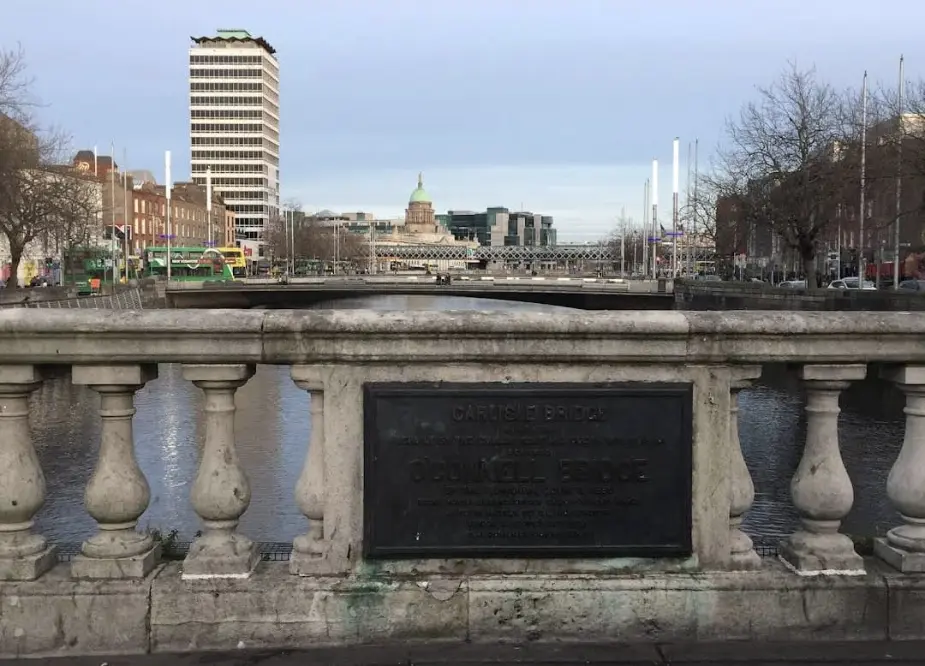
Poolbeg Street is an excellent shortcut for urban walkers. It connects the Tara Street DART station to the main city center. You can get to O’Connell Bridge in only five minutes. Additionally, it’s very close to the ruins of the old Screen Cinema site and within easy walking distance of the Dublin Flea Market, a favourite spot for vintage lovers. Thousands of people utilize the small lane as a shortcut to work every day.
You are also very close to the famous views of the Custom House at the same time. It’s astounding how much history exists right beside the busiest transport hubs of the city. You can also extend the walk around this street as part of an expanded city walk around the Dublin Docklands.
People online love this street for its “no-tourist” atmosphere. It feels like a secret kept by the locals. So…What brings you to Poolbeg Street?
- A legendary pint at Mulligan’s.
- A shortcut to the DART station.
- Exploring James Joyce’s history.
- Working or studying in the area.
Mulligan’s is famous for its “wall of fame.” If you could have a pint with any historical figure, who would it be? Tell us your choice in the comments below! Use the hashtag #PoolbegStreetStories to share your photos.
Visitor Logistics for Getting to Poolbeg Street Dublin
Accessing this historical path is very easy. It is among the most accessible locations in Dublin 2. You will find this peaceful spot hidden between the busy neighborhoods of the quays and the university campus. I normally recommend commencing your journey from the location of the O’Connell Bridge to witness the transition. It will not take longer than a few minutes to arrive in this peaceful spot in the city.
Public Transport and Accessibility
The Tara Street DART station is only 150 meters away. There are over 60 bus routes that stop right at the corner. If you take the Luas, you can alight at Jervis Street. The path is quite narrow, so you have to be cautious about buses passing by.
Most of it is suitable for wheelchairs and people who take their time…you can easily wheel or stroll right into ground-level Mulligan’s. It is easy for all users to navigate down the lane, with enough lighting for safety.
A Must-Visit for the Real Dublin Experience
Every trip to Dublin has got to involve a stroll down Poolbeg Street. You can take in the history and the warm atmosphere there. It is a great area where you can get away from the city noise. Take a turn down this alley when you get a chance, if you are near Trinity College. Have you ever had a pint at Mulligan’s? Tell us if you think it is the best Guinness.
The blend of old red bricks and glass is very symbolic of our changing city. One can feel the presence of old journalists and poets who walked along this place when passing by. The street is quite small, but it has a very big impact on your heart. Don’t forget to bring your camera along to take some of the best street photographs in Dublin.
Keep following Dublinz Facebook and Dublinz Instagram for more updates!
Frequently Asked Questions (FAQs)
Is Mulligan’s on Poolbeg Street the best place for Guinness in Dublin?
Yes, widely regarded as such, 4.5/5 from 1,500+ TripAdvisor reviews praise its creamy nitro “Dublin pour” (119.5s settle time in tulip glasses, €6.50-€8), earning “best in city” status for authenticity over Temple Bar spots.
What is the history of Mulligan’s pub on Poolbeg Street?
This legendary spot was established way back in 1782. It is the oldest family-run pub in all of Dublin city. James Joyce even wrote about it in his famous book, Dubliners. It has hosted stars like JFK, Judy Garland, and Thin Lizzy. You can see the JFK plaque and the beautiful Joyce Room murals. There is no music or TV to ruin the chat.
Where exactly is Poolbeg Street, and how do I get there?
This 0.2km lane is in the heart of Dublin 2. It links the Tara Street DART to the Trinity College area. The DART station is just a short two-minute walk away. You can also take the Luas to the Jervis stop nearby. Over 60 buses pass by this historic corner every single day. If you drive, Q-Park on Dame Street is very close.
Is Poolbeg Street the same as the Poolbeg Chimneys?
No, they are actually in two very different places! Poolbeg Street is in the city center near Trinity College. The famous red and white chimneys are 5km east. Those icons are located in the Ringsend docklands near the sea. Do not get them mixed up when you are exploring!
What are Mulligan’s opening hours and prices on Poolbeg Street?
They open at 10:30 am Monday to Saturday for the early crowd. On Sundays, you can visit from noon until 11:00 pm. Pints cost about €6.50 to €8, depending on your choice. You can grab a hearty Irish stew for roughly €18. The kitchen usually closes up at 9:00 pm each night. It is a cozy spot that fits about 120 people.
Comments are closed.